
Xcalak, Mexico · Summer 2027
They arrive with school Spanish. They leave with friends in Xcalak.
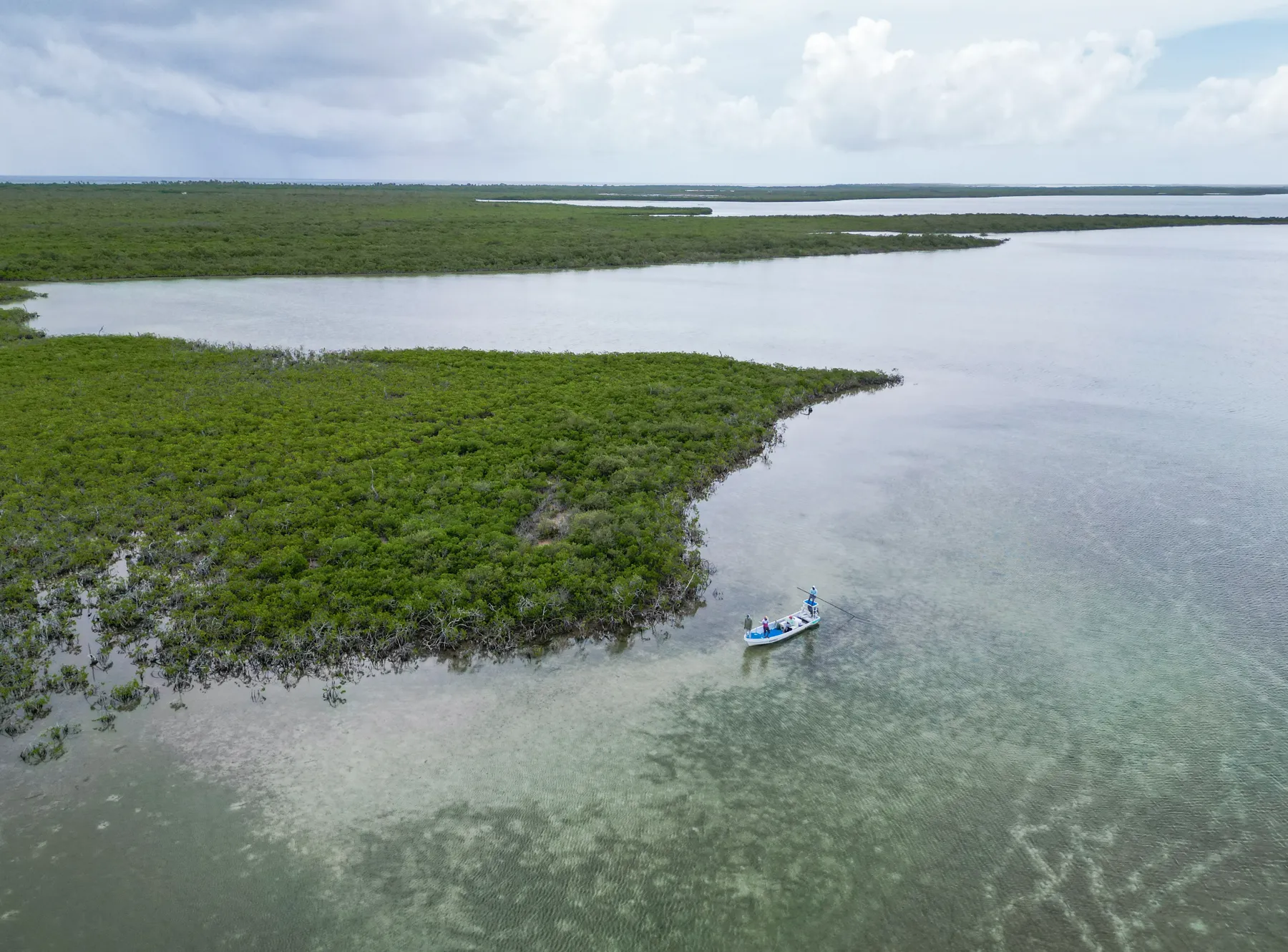
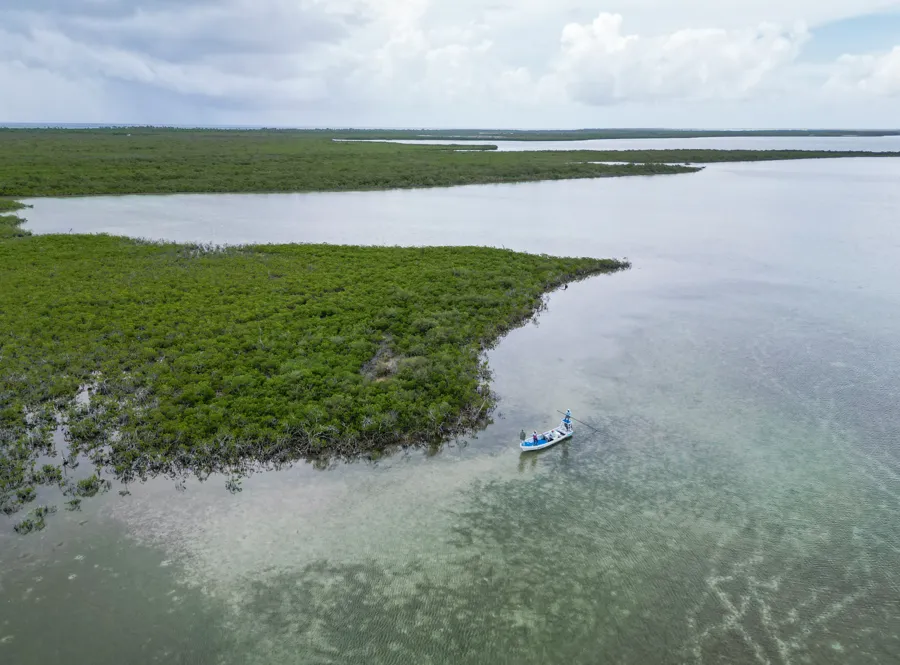
The Xflats, on the beach at the bottom of the Yucatán, a few miles from Belize. One of the best permit fisheries anywhere, next to a village of a few hundred people who make room for you.
2027 program weeks
- July 10th to 17thHigh School Boys
- July 17th to 24thHigh School and College, Co-ed
$4,200plus guide tips
12 students, 2 trip leaders. Fly into Tulum (TQO).
Not included: flights, guide tips, and a Global Rescue membership, bought at registration.
Enroll nowXcalak, Mexico
Fish for Change trip package, summer 2027. The Xflats, Xcalak, Quintana Roo.
July 10th to 17th, 2027, high school boys. July 17th to 24th, 2027, high school and college, co-ed. $4,200 plus guide tips. 12 students, 2 trip leaders. Fly into Tulum (TQO). Not included: flights, guide tips, and a Global Rescue membership, bought at registration.
info@fishforchange.org · 954-579-3457 · fishforchange.org
At a glance
Compare all five weeks- Physical effort
- ModerateFour full days on the bay, and a four-hour shuttle from Tulum.
- Wading or boat
- BothPangas, and a lot of the bay can be fished on foot.
- Fly fishing experience
- Every level welcomePermit inspect every fly, so practice at home buys more shots. Nobody needs to arrive an expert.
- Culture and language
- ImmersiveA Spanish-speaking village. Students help at the English school.
Seven days on the edge of the Yucatán
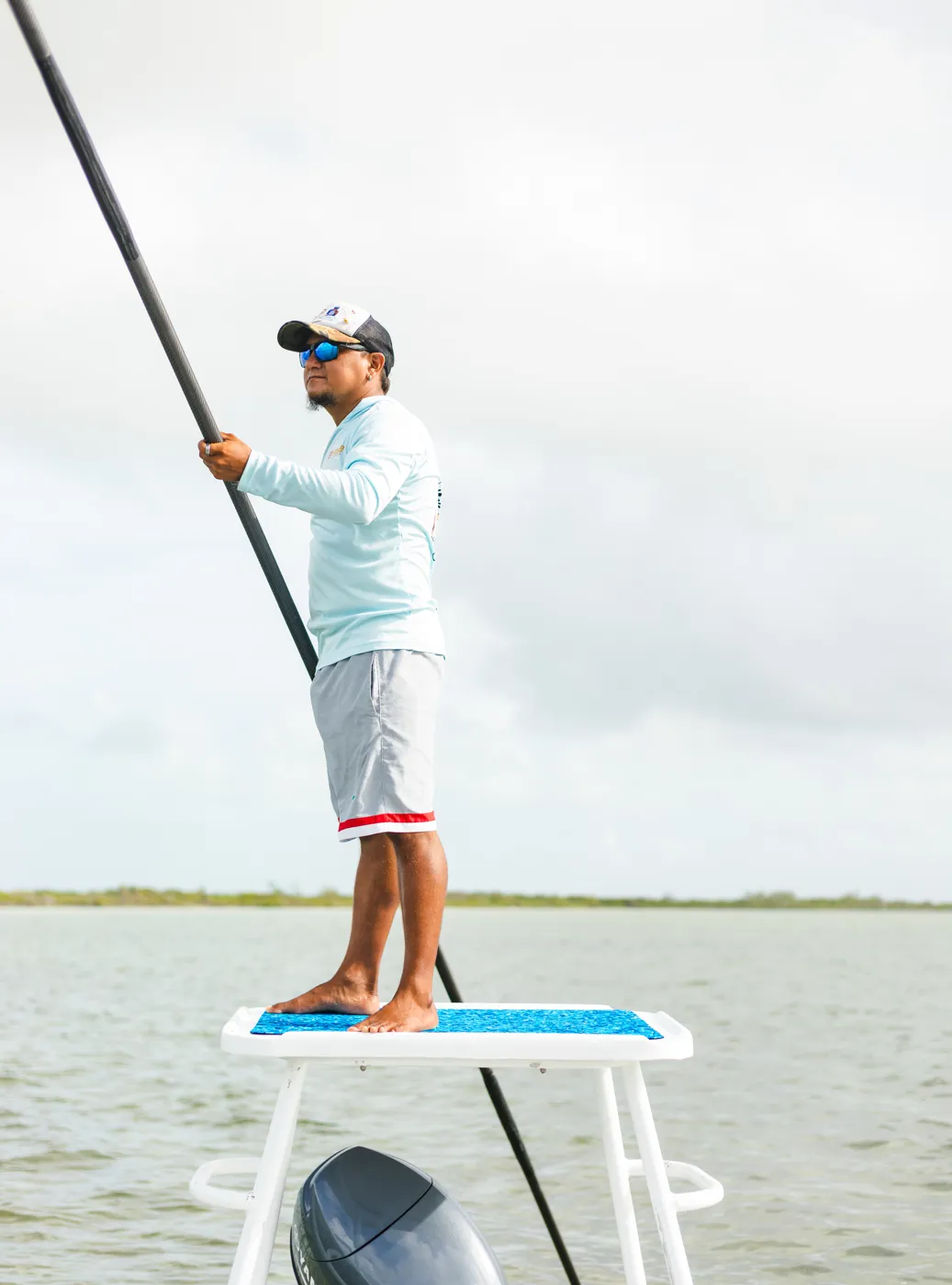
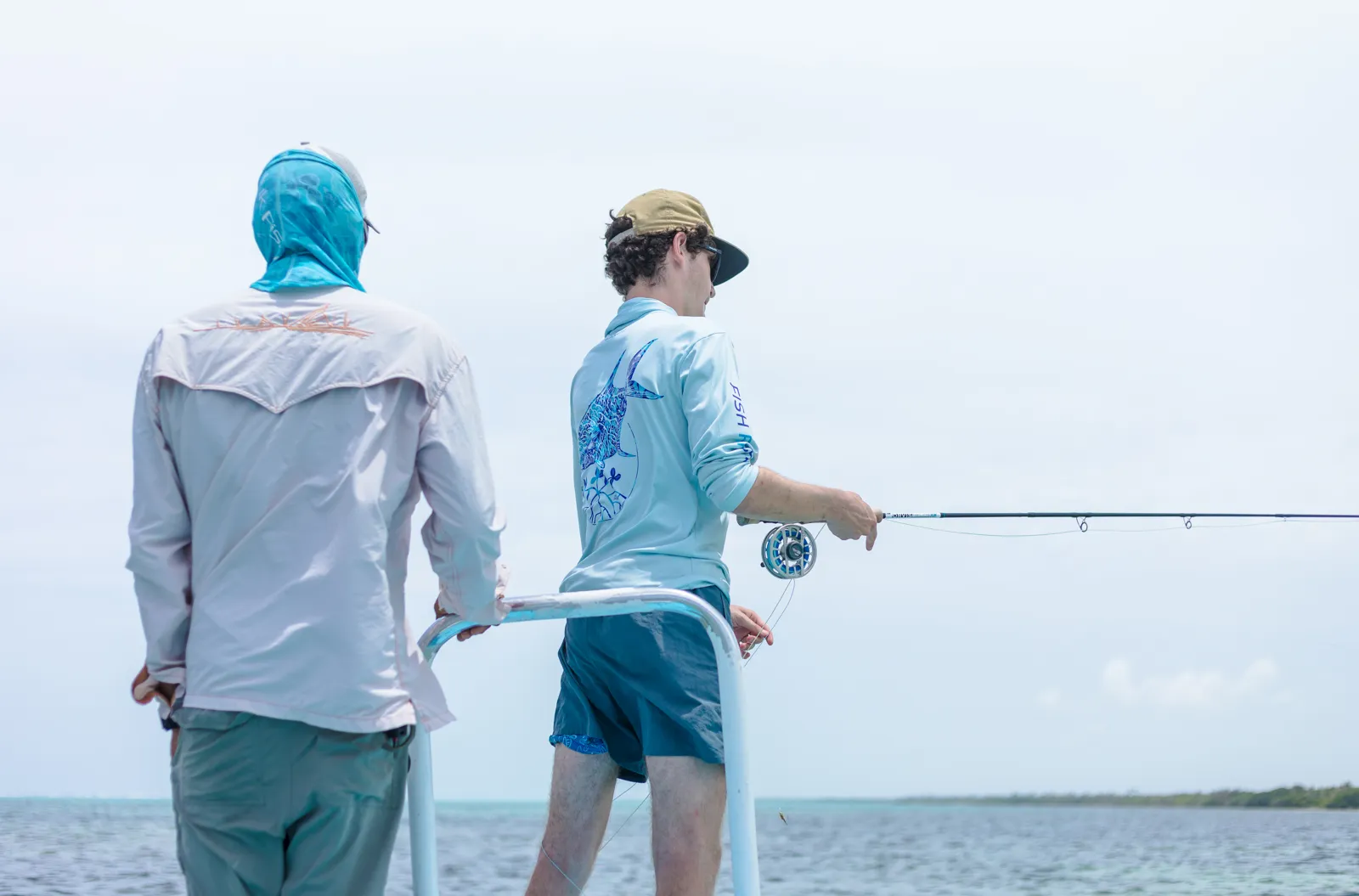
Twelve students, two trip leaders, seven days. Four full days fishing Chetumal Bay from pangas, plus the beach, the lagoons behind the lodge and the dock at night. Everything else in the week is built on three things: fly fishing education, cultural exchange and looking after the reef.
Jesse Colten, Program Director and owner of The Xflats, leads the week with Heather.
Two students from Xcalak join on local scholarships. Practicing Spanish with them, and teaching them some English back, is where a lot of the week's best conversations happen. If your kid takes Spanish at school, this is the week to pick.
On the water the guides cover everything: reading water, casting, tying flies, knots. Off it, there's a gratitude check-in every evening.
"Even though my Spanish isn't that good, we understand each other."
The lodge
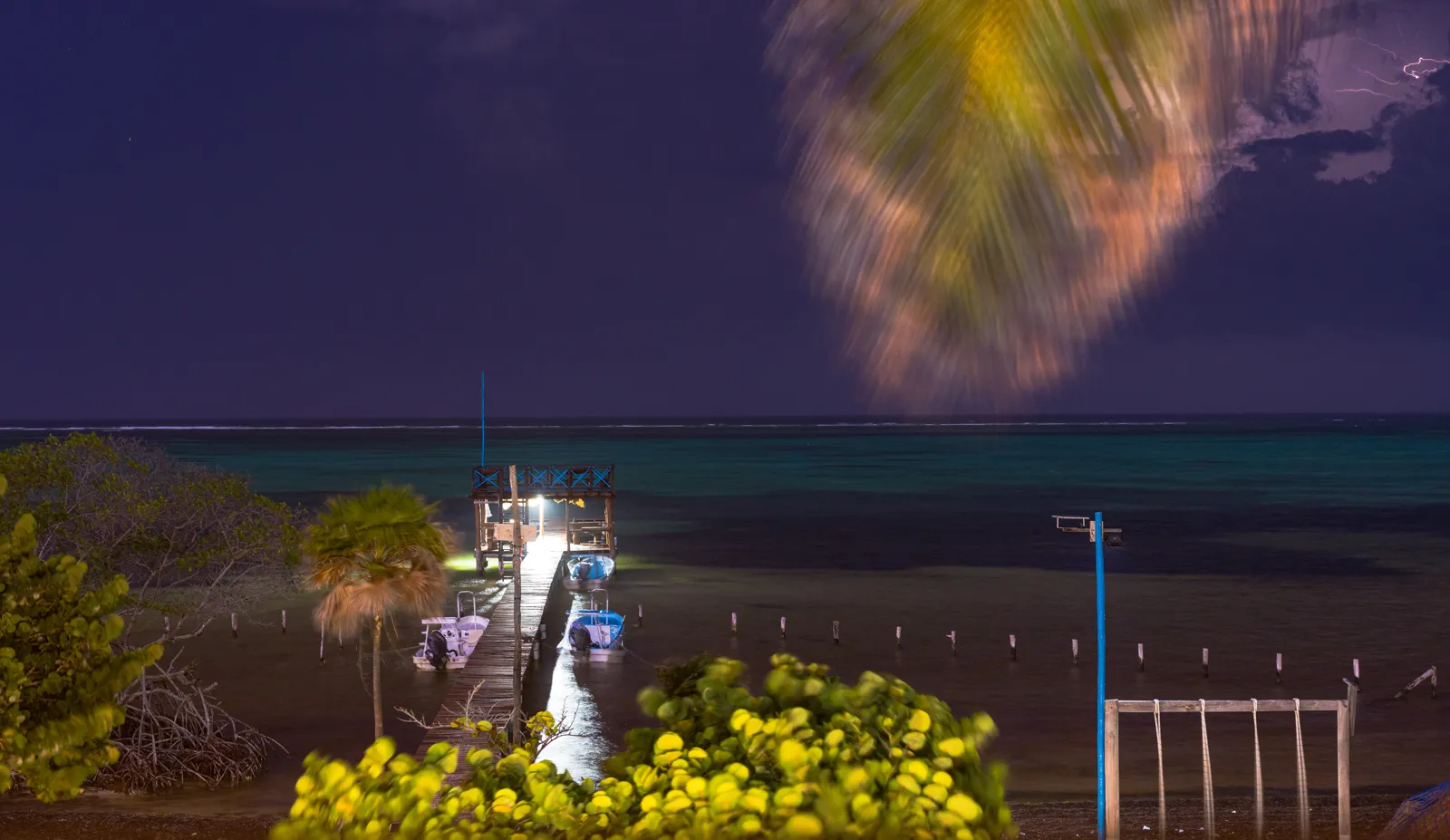
The Xflats sits on 150 feet of remote beachfront where permit and bonefish swim past every day, and students can fish off any of the docks in their downtime. Two or three students share a room. There's a huge dining area, a backyard built for activities, and town is within walking distance.
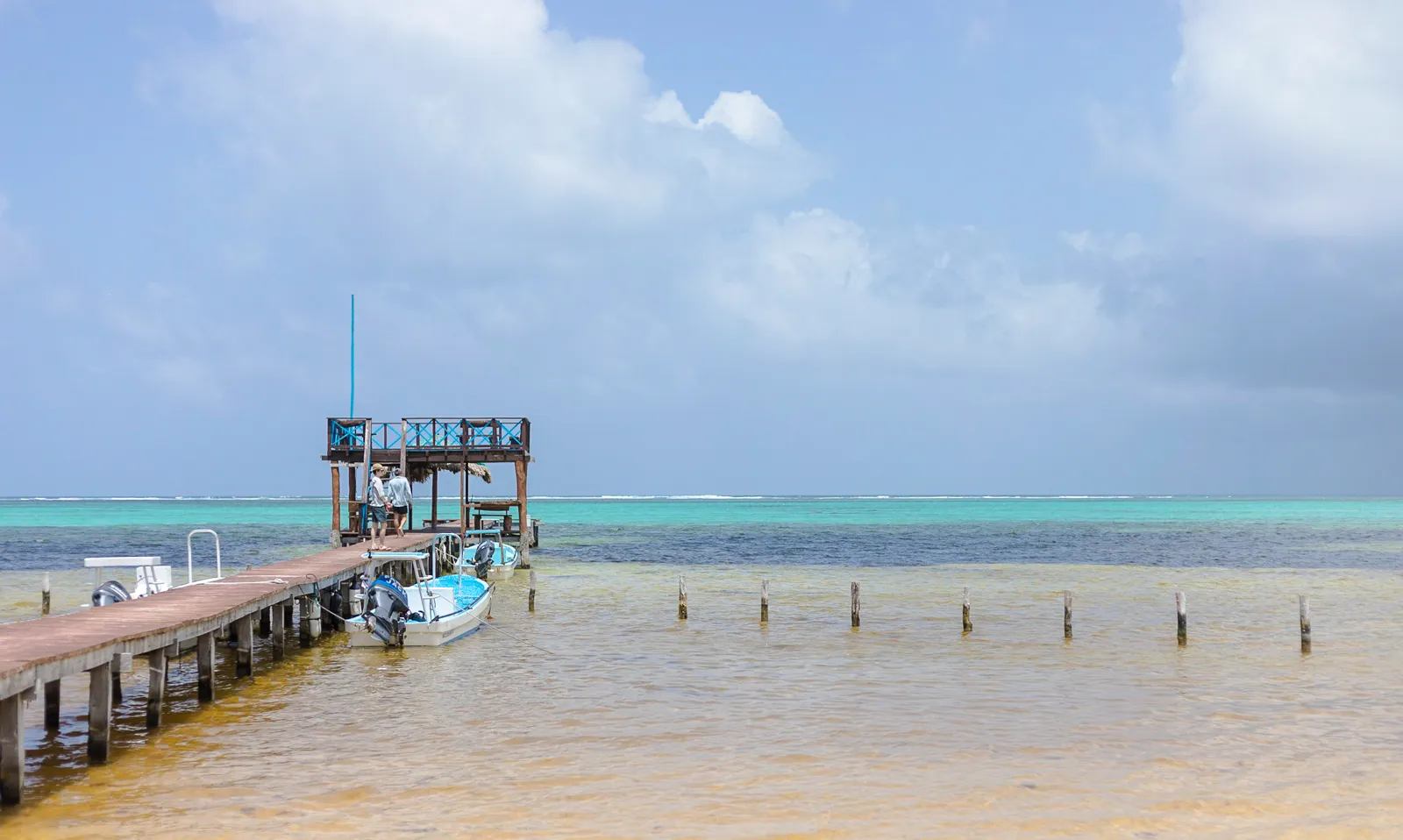
Xcalak
One of the oldest towns on Mexico's southern Caribbean coast, right by the border with Belize. In the early 1900s it was a small port shipping coconuts and bananas. In 1955 Hurricane Janet, one of the strongest ever recorded, flattened most of it, and the town was rebuilt slowly.
Being hard to reach kept the big developments away. Today it's a quiet fishing village of a few hundred people, inside the Xcalak Reefs National Park, with the Mesoamerican Barrier Reef just offshore.
Students see how a small town lives day to day: what it does without, and how much it shares anyway.
"It was so awesome to talk to somebody in a completely different language about normal things."
The fishery
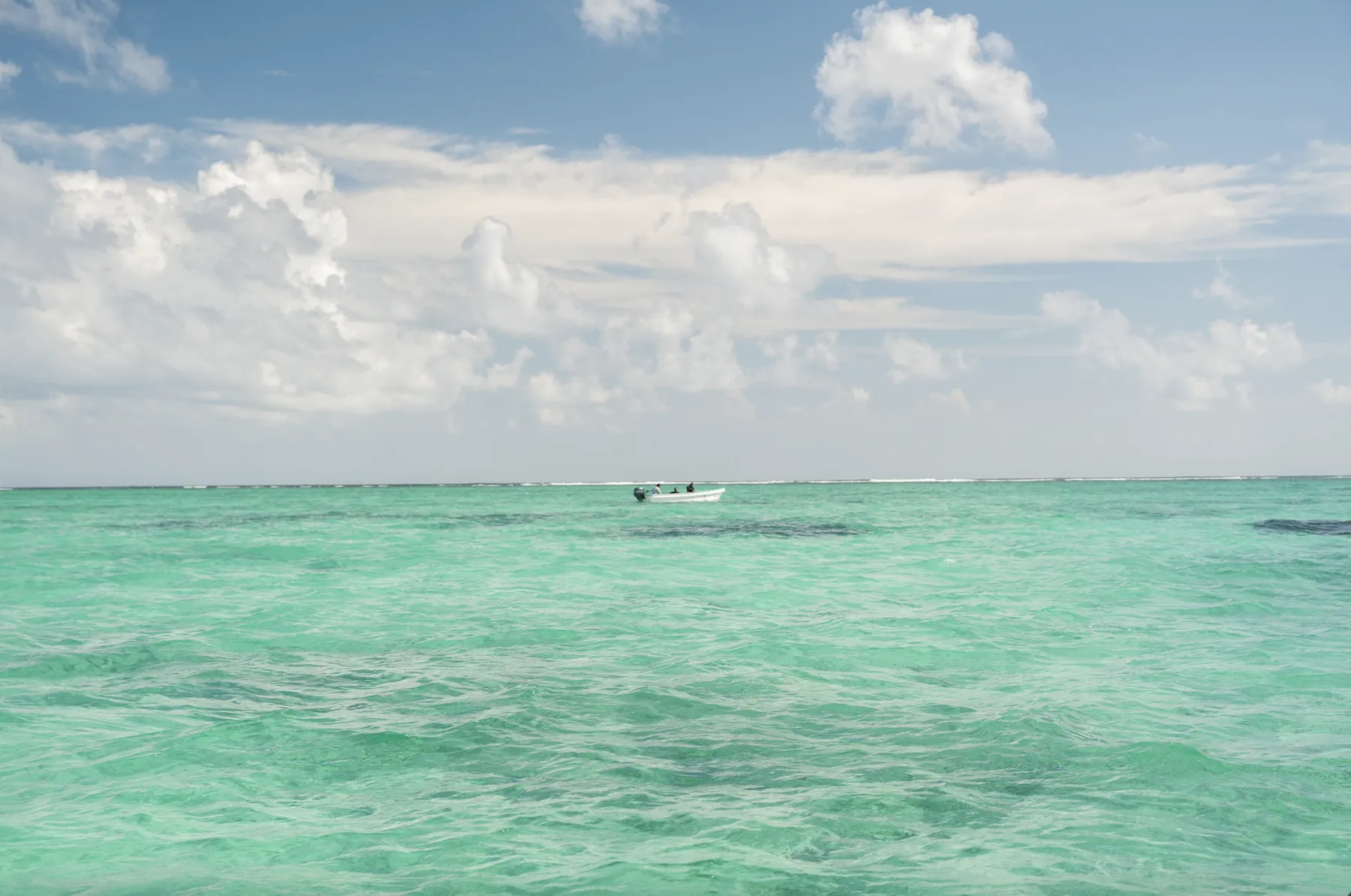
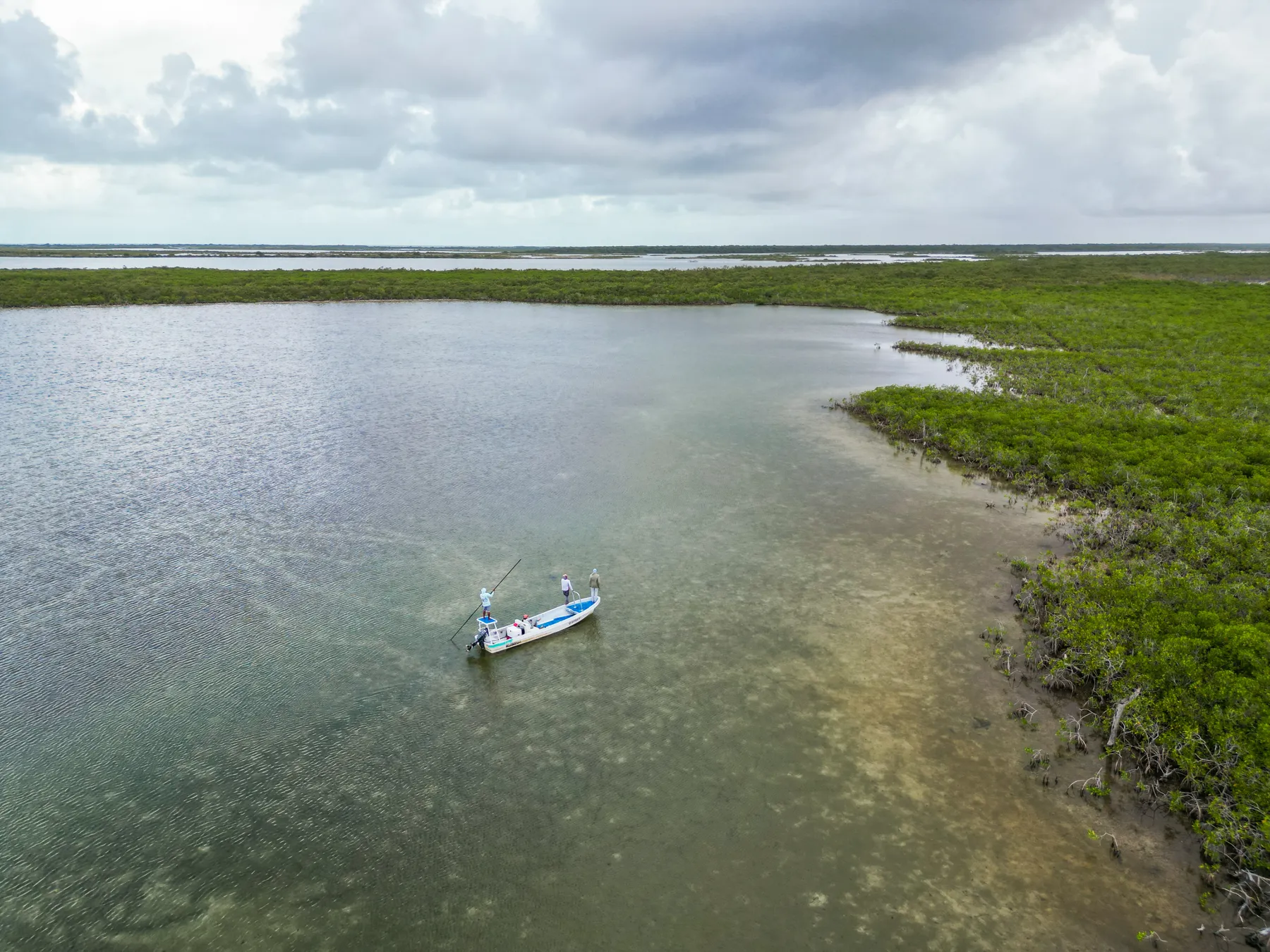
Chetumal Bay, just behind Xcalak, is one of the best places in the world to catch permit and bonefish. The main spots are under thirty minutes by boat. Since the Zaragoza Canal opened in 2002 the bay has held even more fish, and plenty of shrimp and crabs to feed them. Water runs from under a foot to over five feet deep, and a lot of it can be fished on foot.
- 2 to 4 lb
Bonefish
Some reach ten pounds. They take a good presentation, then run like nothing else on the flats. Sight-fished in two feet of water or less.
- 5 to 150 lb
Tarpon
Babies around cenotes, blue holes and mangroves. Big migratory tarpon pass through from early June to late July.
- All year
Permit
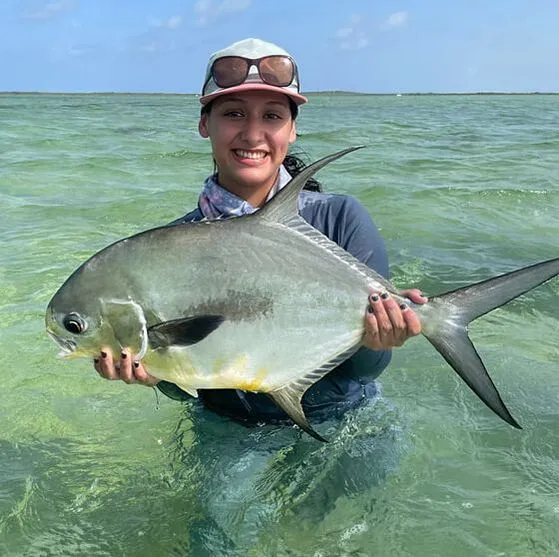
The holy grail. They come up from deep water only to feed, and inspect every fly. Crabs and mantis shrimp, slow strips, and patience. Best from April to August.
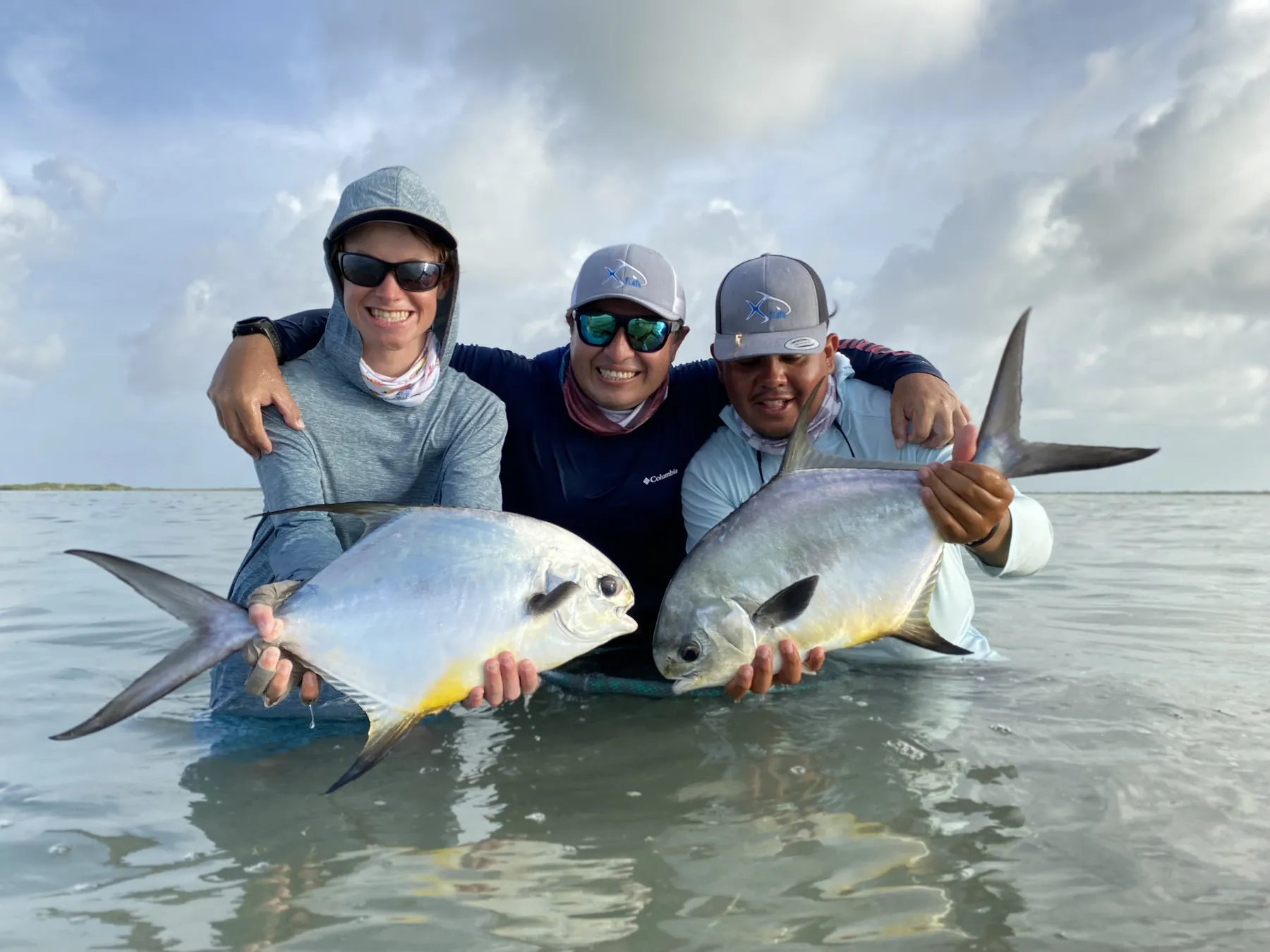
A real shot at a Grand Slam: permit, bonefish and tarpon in one day.
Also in the bay and lagoons: barracuda, jacks and snook.
Downtime: fish the beach, the lagoons behind the lodge, and the docks at night.
"Nothing in life comes right away and you must wait and be confident in the way that you wait."
Your guides
A crew of Xcalak guides, most of them raised on this water, led by the lodge's owner.
- Jesse ColtenProgram Director, owner of The Xflats
Grew up fish-crazy in Colorado and turned a small property in Xcalak into a permit lodge anglers cross the world for. Electric, all about community.
- Nato, "Don Nato"Guide
Grew up on a mangrove island in the bay. The most experienced guide in Xcalak, and he trained almost every great guide in the area.
- AllanGuide
One of the top permit guides at the lodge, and a patient casting instructor for every level. Excellent English.
- Erik, "Easy E"Guide
Raised on the water, fluent in English, and featured in the fly fishing film festival short "Of the Sea."
- Geovani, "Kissy"Guide
The most energetic guide on the roster. Known for staying out after an eight-hour day to close a Grand Slam.
- Felipe, "Pio"Guide
Fishes with his brother Ruben. Rarely comes back to the dock without a permit.
- Jesús, "Chucho"Guide
One of the best boat handlers in the Yucatán. His assistant Adriel speaks fluent English.
- Alejandro, "Balbino"Guide
A veteran in his prime. His son Tommy is one of the best assistant guides on the crew.
- JulioGuide
Guiding for more than a decade at 32, and usually first off the dock.
- Didier, "Didi"Guide
The newest guide, with a sharp eye on the flats.
Off the water
Ten service hours over the week, signed off for school.
- Reef restoration
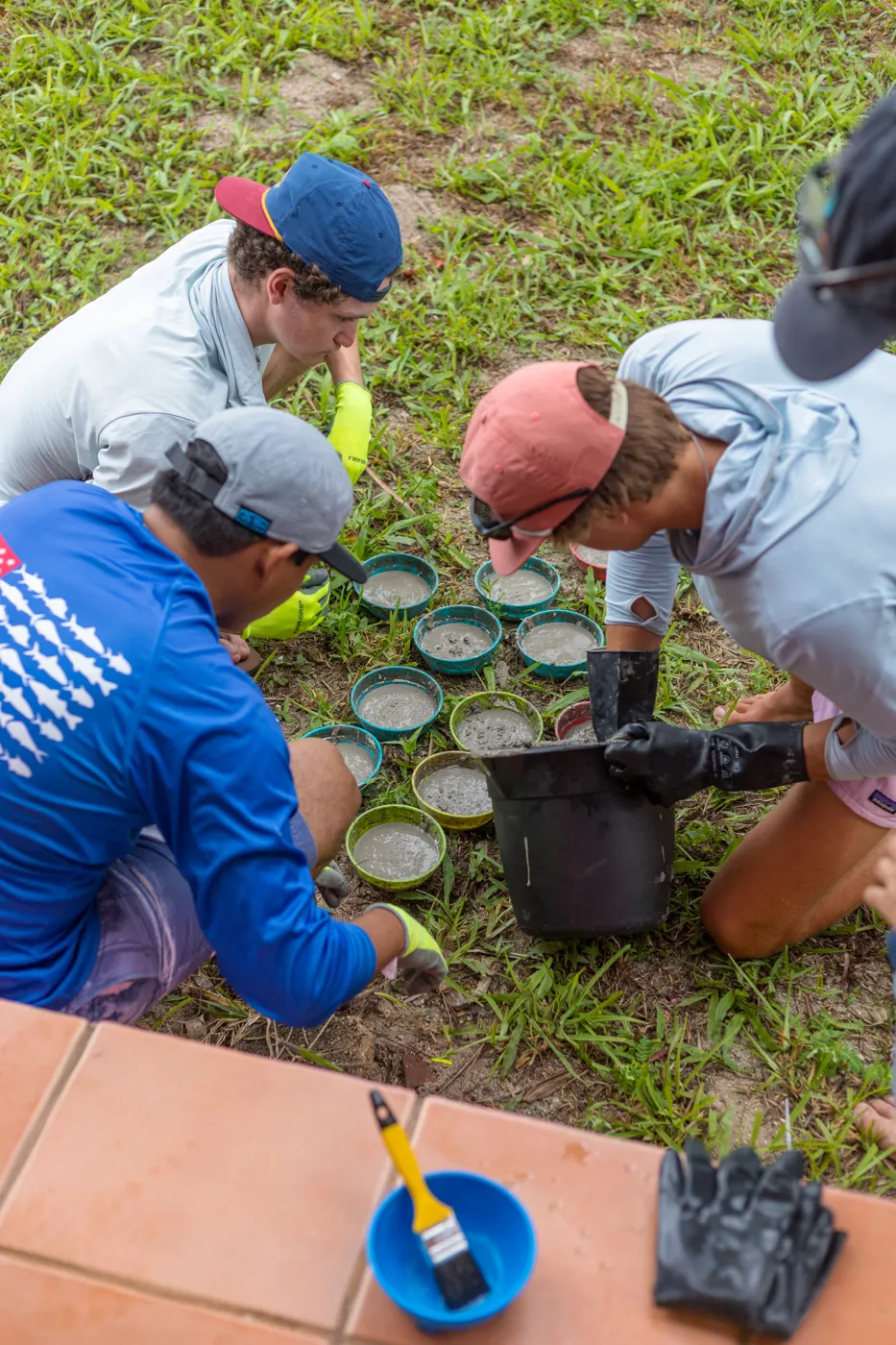
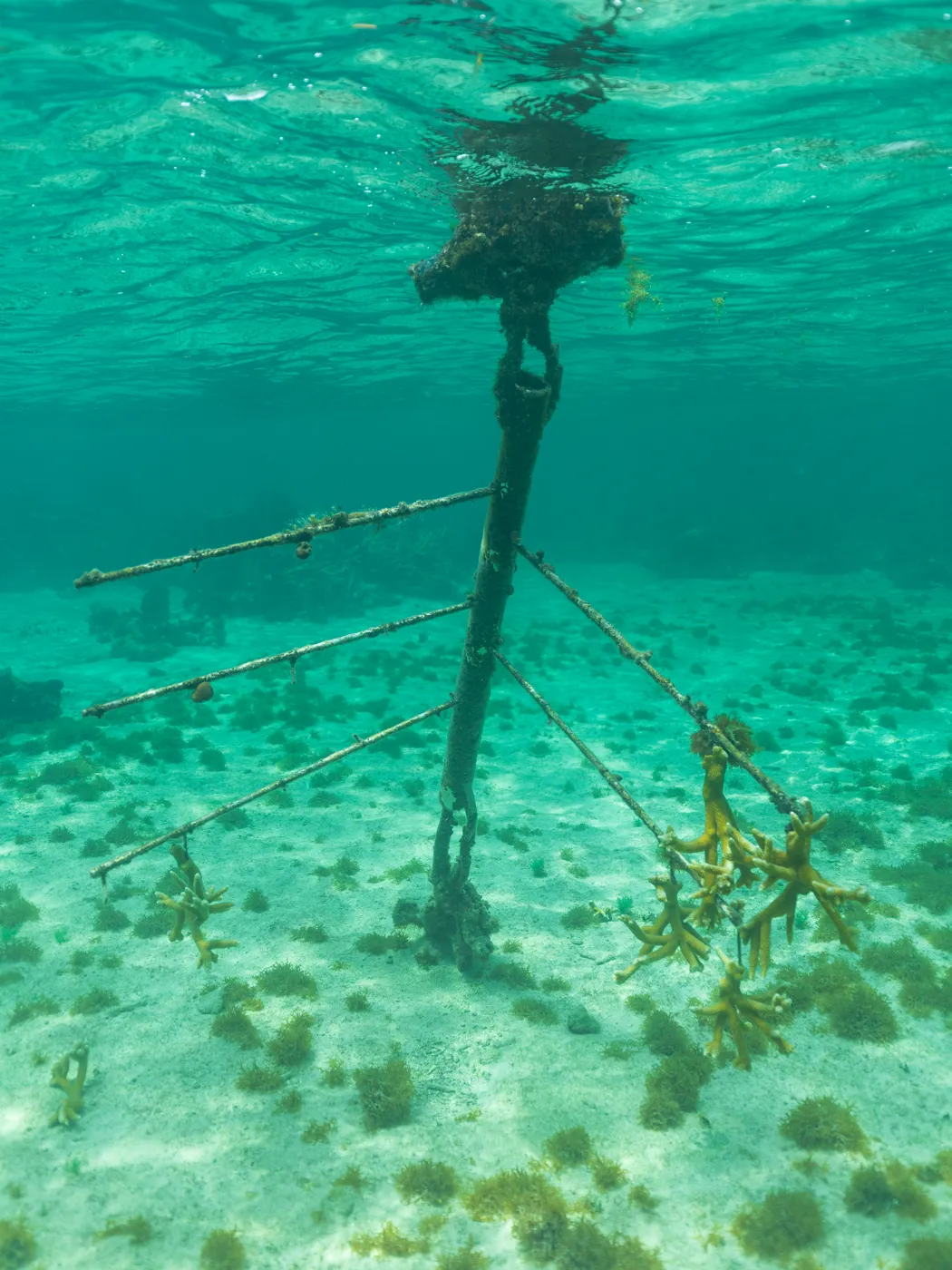
A day with Oceanus A.C., fragmenting and planting corals to help build out the Mesoamerican Barrier Reef. Students see what it takes to repair a reef, one fragment at a time, and why the fish they're chasing depend on it.
- Lionfish eradication
Diving with pole spears for lionfish, which aren't native here and have no natural predators. Every one taken off the reef gives the native fish a better chance, and then they eat them as appetizers.
- Citizen science
Taking fish data with Bonefish & Tarpon Trust, so every fish they land helps scientists understand the species.
- English school
Joining the English school run by the Yellow Dog Community and Conservation Foundation. Students who came to practice their Spanish end up teaching English, and find out how hard the other side is.
- Scavenger hunt
Teams sent through town after fishing to understand Xcalak better. It's how they become confident, curious travelers.
- Guide dinners
One evening, dinner in the homes of the guides they fished with that day. Years of friendship make that possible, and it's often the night students remember most.
- Soccer tournament
A pickup match against the Xcalak community. A game needs no translation.
- Bring Your Kid to Work Day
The lodge staff and guides bring their kids to work. The local kids see a career in their own backyard.
- Curiosity board
Students write 100 questions they have for the town: the people, the history, the fishery. Then they spend an afternoon walking around town, building confidence talking to strangers and sparking curiosity as they answer all their questions.
- Interviewing the guides
Students sit down with their guides and ask them about life.
- Cooking class and karaoke
One night we have a cooking class at a local restaurant in town, complemented by karaoke of course. Gotta set the vibe.
- Closing celebration
The last night of the week, students, guides and the community celebrate together.
- Group circle
Next to the sunset or under the shooting stars, we dive into conversations led with vulnerability about our experience and personal growth.
"This is my first time out of the country... and the program has helped so much with that."
Getting there and home
Students fly into Tulum, a small, quiet airport that's easy to get around. Trip leaders are standing outside customs with a sign. From there it's a four-hour shuttle south to Xcalak, and Fish for Change messages families at every step of the travel day.
Arrival day
- Land at Tulum (TQO) between 12:00 and 4:00 pm.
- Trip leaders meet you as you leave customs.
- Shuttle to Xcalak, about four hours.
Departure day
- Breakfast to go, on the road north at 6:00 am.
- Book a flight out of Tulum after 12:00 pm.
- Trip leaders help everyone check in.
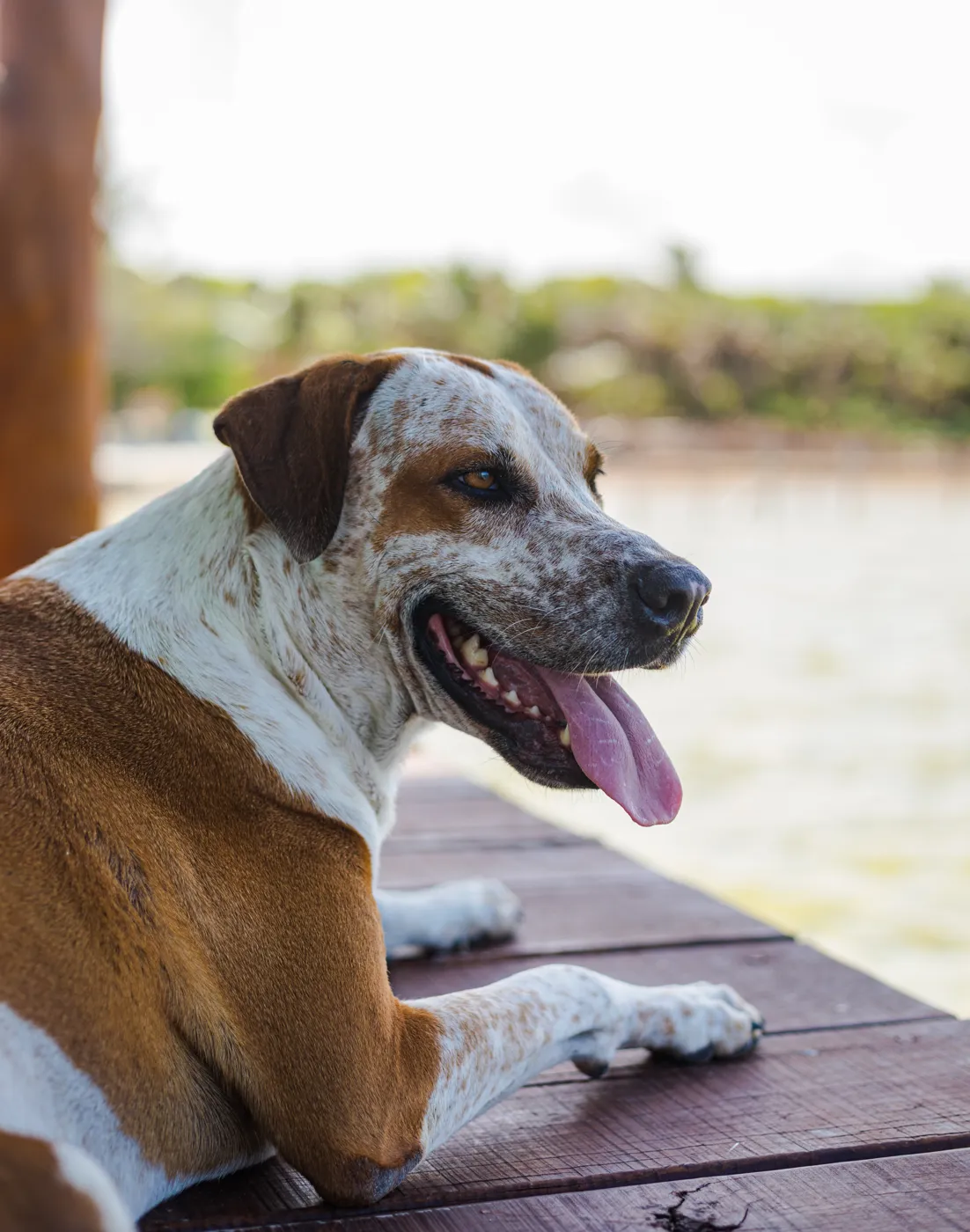
The lodge dogs usually chase the shuttle out of town.
Packing list
Tick things off as you go. The list saves on this device, so you can come back to it. Sunblock and insect repellent should be reef-safe.
Personal and clothing
Laundry is available if you need it.
Fishing
Flies
Want to support an alum? Ask us and we'll point you to a former student who ties flies for trips.
Scholarships
We never want these programs to be cost-prohibitive. Aid runs from $500 to a full ride and is decided on need and drive.
- SepFinancial aid applications open each September.A cover letter (500 words minimum), a one-minute video, a letter of recommendation, the questions on the application, and your family's financial information. Allow about two hours. Nothing is shared outside the team.
- FebDeadline is the last day of February.Shortlisted candidates do a video interview with Fish for Change.
- MarDecisions by early March.Book flights, check your passport, practice your cast.
Questions parents ask
Who leads the week?
Jesse Colten, Program Director and owner of The Xflats, leads the week with Heather.
How safe is this?
Every student has a Global Rescue membership for emergency rescue and medical evacuation, bought at registration. Trip leaders are First Aid and CPR certified, and several of our leaders hold Wilderness First Responder certification. Every location has an emergency action plan and an accessible clinic. More on how we keep students safe.
How much fishing experience does my kid need?
Any amount, including none. The guides teach every level, from first cast to permit. Practice the cast before you come and you'll get more shots.
Can I reach them during the week?
There's no wifi at any location, on purpose: disconnect to reconnect. Trip leaders collect phones at their discretion, and they're only for music and photos. Fish for Change messages families through the travel day, you have a direct line to staff, and photos go up on Instagram.
What if my kid has never flown alone?
Most of them haven't. Trip leaders are waiting at the destination airport the moment students clear customs, and they help everyone check in for the flight home. If you'd like a travel companion, we can arrange for a trip leader or another student to fly with yours from the States.
Where do they sleep and eat?
At The Xflats, two or three students to a room, and everyone eats together in the huge dining area.
What if we don't have the right gear?
No problem. Every lodge has backup rods and reels. Terminal tackle is the student's responsibility. If you're short a rod or reel, tell us before the trip and we'll make sure it's there.
Is there a cheaper way to do this?
Aid runs from $500 to a full ride, and students fund their trips in all sorts of ways. Financial aid applications open in September and close the last day of February. Here is the process.
Do they get credit for the service work?
Ten volunteer hours per program. Bring the school's form or email it afterwards and we'll sign it.
What is the drug and alcohol policy?
Zero tolerance. Students sign a form before the program and are sent home at their own cost if they break it.
Does my kid need to speak Spanish?
No. Most of the guides speak English. Students who do take Spanish at school get plenty of chances to use it.
Which week should we choose?
July 10th to 17th is for high school boys. July 17th to 24th is co-ed and open to high school and college students.
A day in Mexico
One day, start to finish. Scroll through it.
Up at 6:30. Music blasting.
Every day starts the same way, loud.
Breakfast: huevos rancheros.
Breakfast together, every day. We discuss our game plan for the day. Then off to go have the best day ever, yet again!
Six hours on the water.
A different boat, guide and partner every morning. That is how you learn to read a flat.
Two hours to chill.
Fish the beach, the lagoons behind the lodge or the docks.
Scavenger hunt in town.
Where is the barber shop? The grocery store? My guide's home? The soccer field? Can I meet the mayor?
Family dinner.
Dinner happens at the lodge most nights. One night we eat dinner with the guides and their families, and one night we have a cooking class at a local restaurant in town, complemented by karaoke of course.
Group circle at the top of the dock.
Shooting stars above, and tarpon rolling in the dock lights below.
"We are grateful for the wonderful village of Xcalak, and the local people who have welcomed us into their community like we've known them for years."
Come for the permit. Leave knowing Xcalak by name.
High school boys, July 10th to 17th, 2027. High school and college co-ed, July 17th to 24th, 2027. The Xflats, Xcalak. $4,200 plus guide tips.
Questions before you enroll
- Emailinfo@fishforchange.org
- Phone954-579-3457
- The lodgethexflats.com
- Instagram@fishforchange