
Berry Islands, Bahamas · Summer 2027
Come home knowing the island, not just the fish.
Soul Fly Lodge, Great Harbour Cay. Students from all over fish beside students from the island, some of whom will be the next Bahamian guides.
2027 program week
- June 25th to July 1stHigh School Boys
$4,050plus guide tips
8 students, 2 trip leaders. Fly to Nassau, then on to Great Harbour Cay.
Not included: flights, guide tips, and a Global Rescue membership, bought at registration.
Enroll nowBerry Islands, Bahamas
Fish for Change trip package, summer 2027. Soul Fly Lodge, Great Harbour Cay.
June 25th to July 1st, 2027, high school boys. $4,050 plus guide tips. 8 students, 2 trip leaders. Fly to Nassau (NAS), then Great Harbour Cay (GHC). Not included: flights, guide tips, and a Global Rescue membership, bought at registration.
info@fishforchange.org · 954-579-3457 · fishforchange.org
At a glance
Compare all five weeks- Physical effort
- ActiveA lot of wading on foot, plus hikes, cliff jumping and basketball.
- Wading or boat
- Lots of wadingMuch of the fishing is on foot, in water sometimes inches deep.
- Fly fishing experience
- Every level welcomeOur pick for a first taste of saltwater fly fishing. The guides teach the cast as you go.
- Culture and language
- ModerateFishing, cooking and camping beside Bahamian students.
A week on the white sand
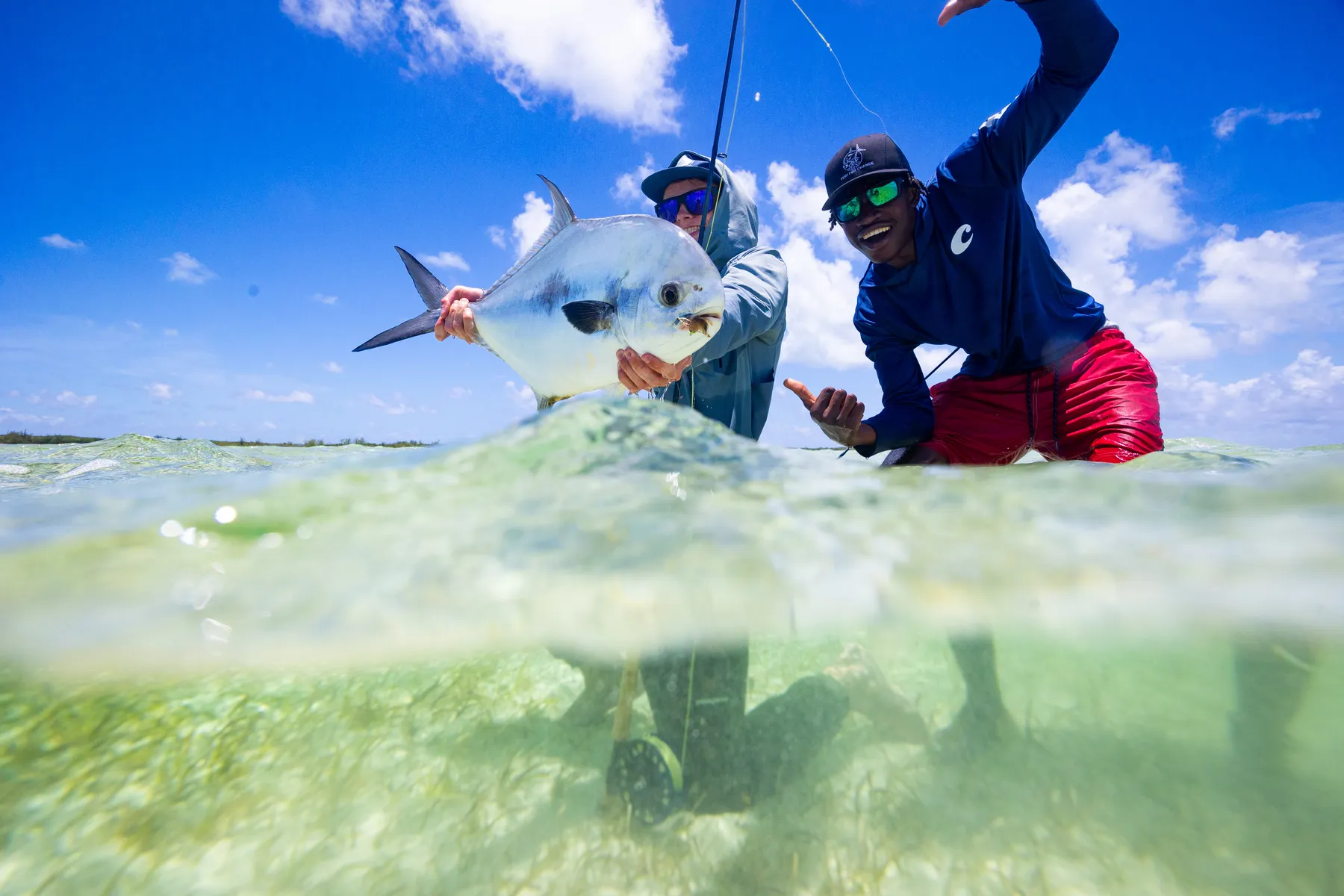
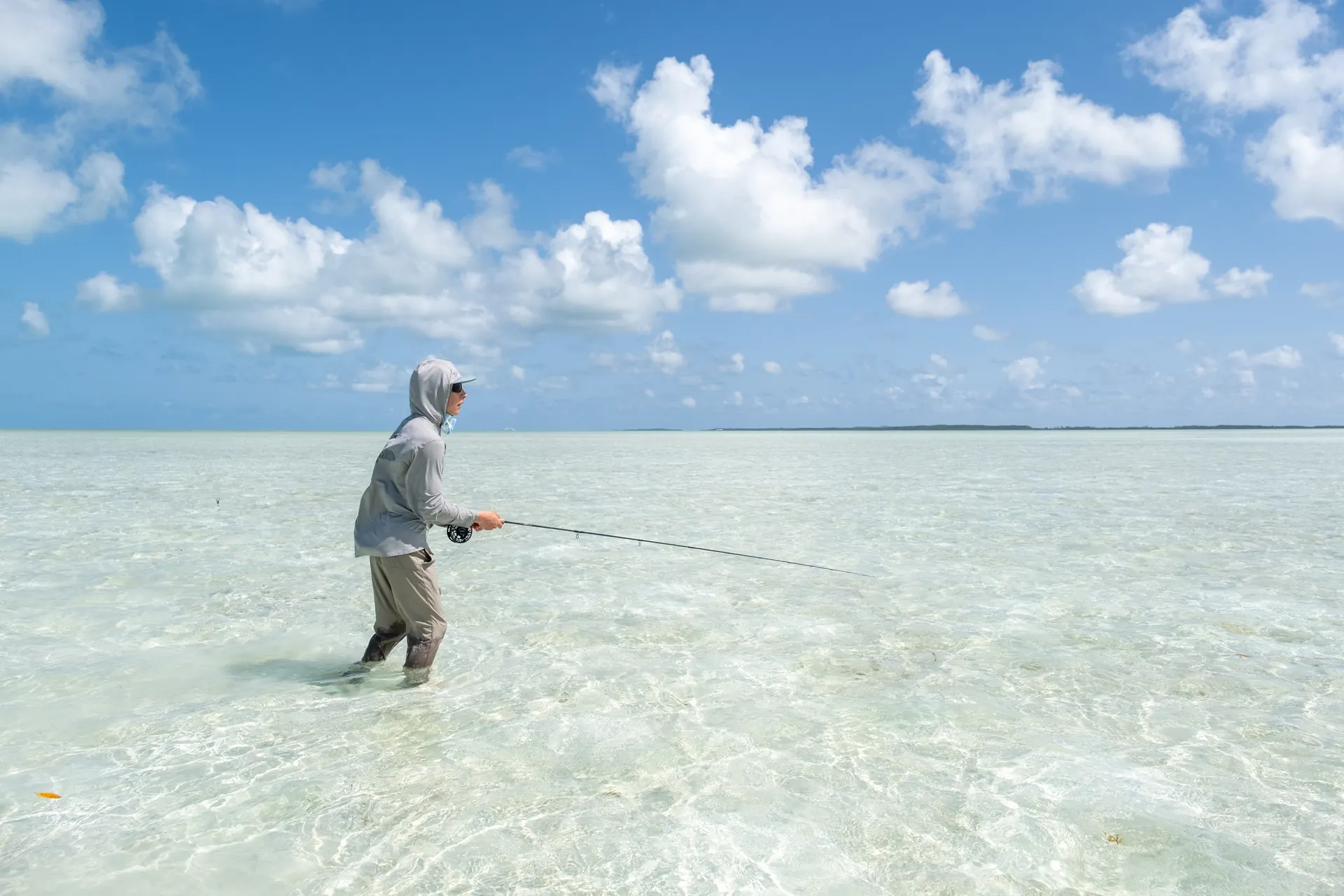
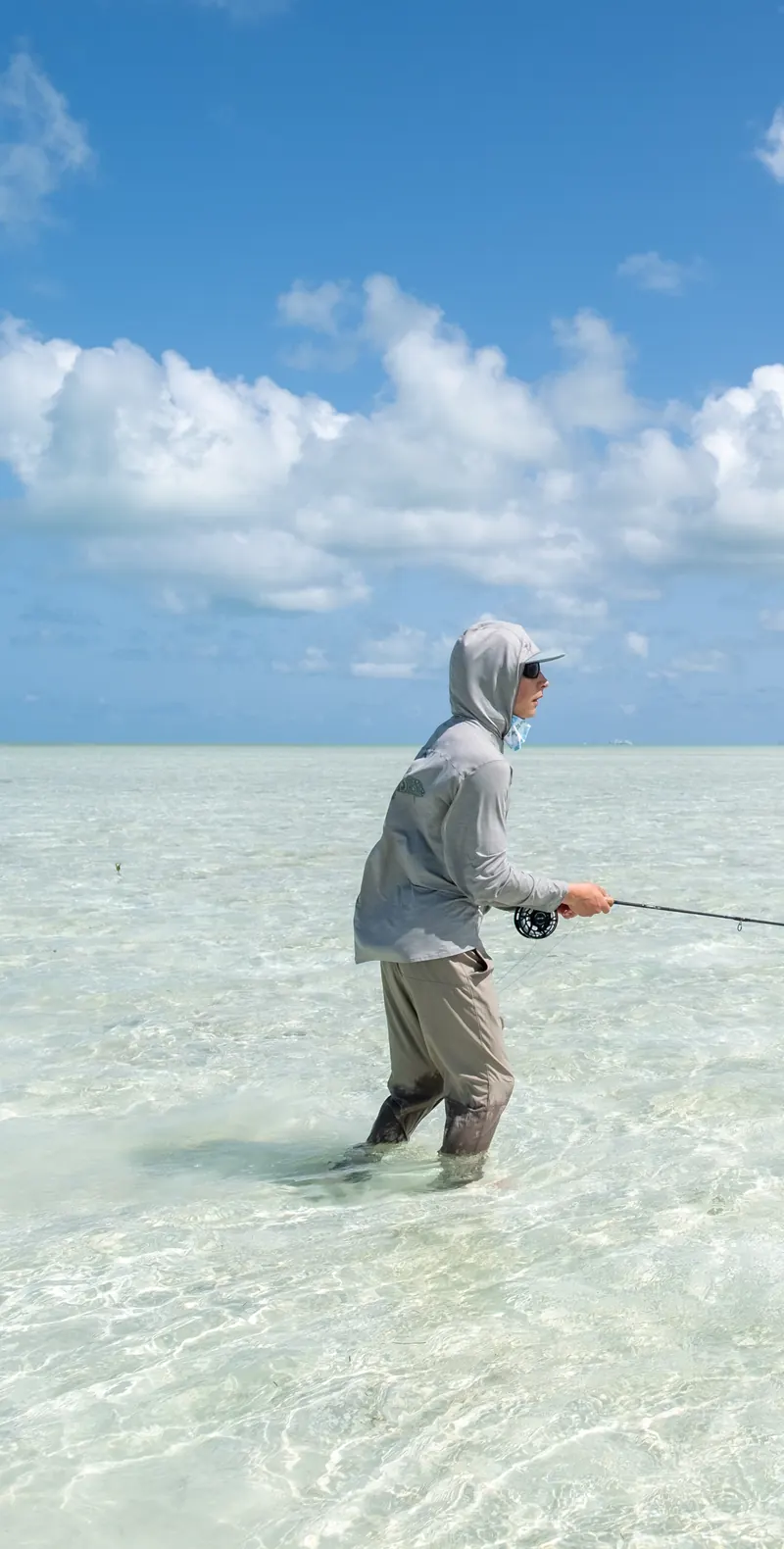
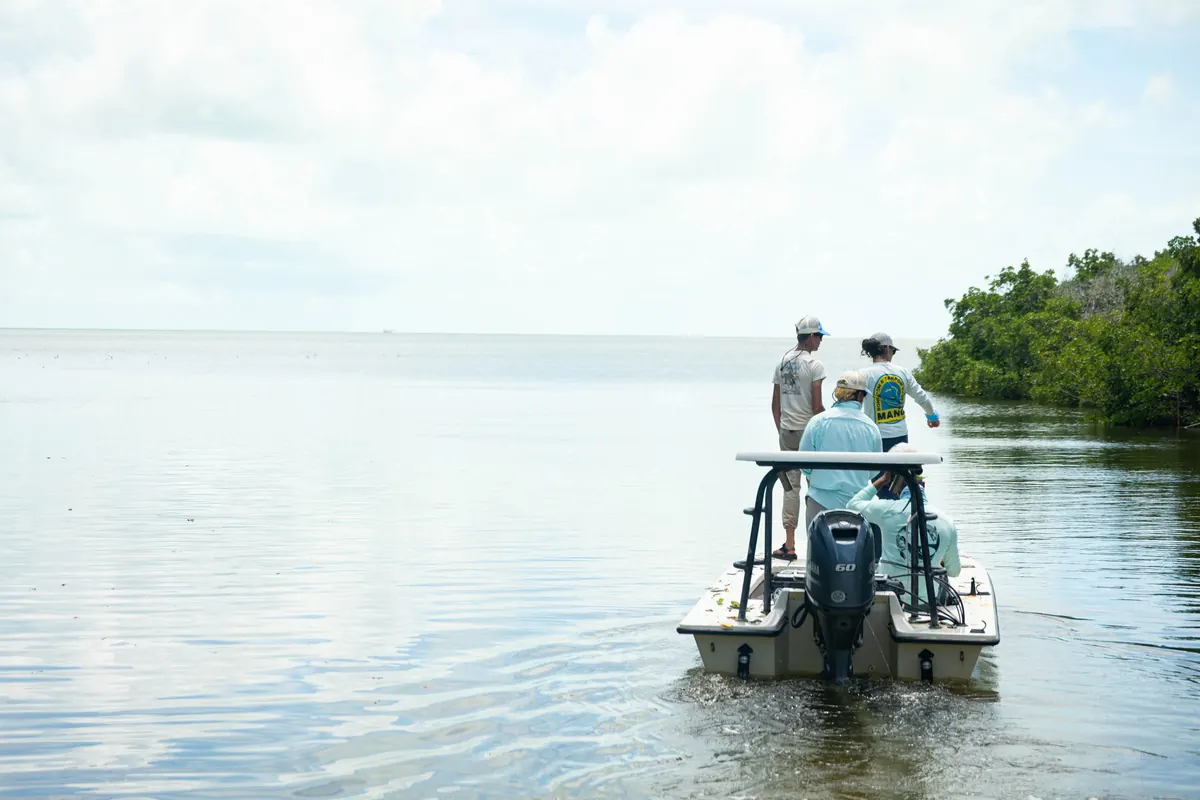
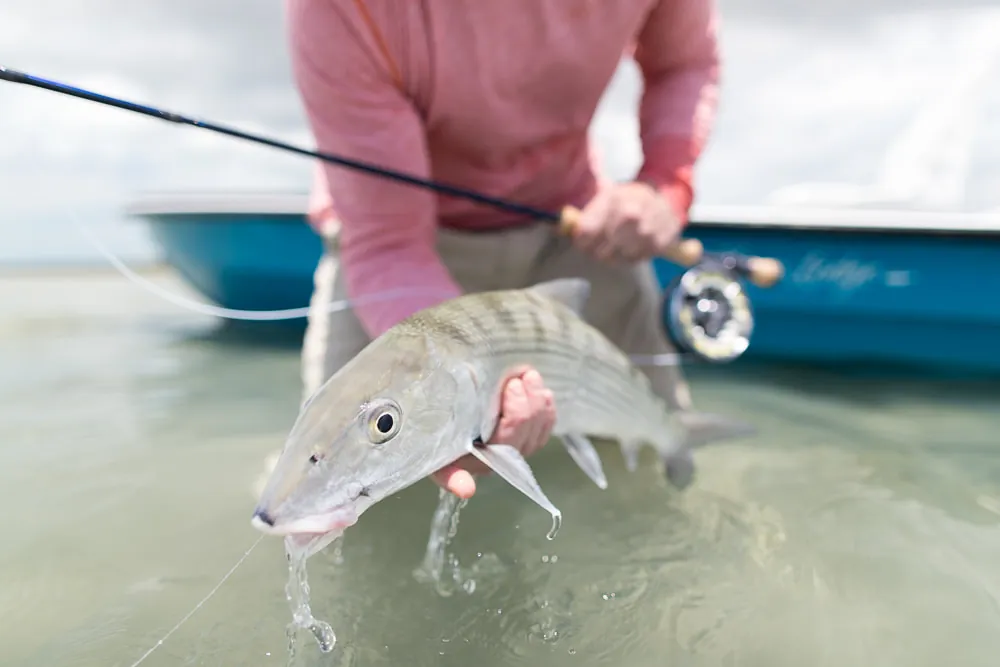
Eight students, two trip leaders, one week at the first fly fishing lodge in the Berry Islands. Mornings wading white sand for tailing bonefish, or on the bow looking for permit. Afternoons in the mangroves, under the water after lionfish, or out in town. Evenings with the guides and their families. It's the week we recommend for a first taste of saltwater fly fishing.
A handful of students every year are from the Bahamas. In the first season, 2024, three of the eight came from Great Harbour Cay, and the program was set up with the island's own school, its principal and its teachers.
Every day, on and off the water, works on each student's own skills. A stronger cast, tying flies, building a leader, even poling the skiff: ask, and the guides will teach it.
The last night is the Final Fiesta: a fly fishing skills relay, crab racing and a bonfire with the guides and their families.
"We are always looking for ways to engage the next generation in fly fishing."
Read Soul Fly Lodge's write-up of the first Fish for Change week
The next generation of Bahamian guides
The Bahamas has some of the best flats fishing in the world, and it needs young people to guide it. That's why local students are part of every Bahamas week, and why the visiting students fish, cook and camp beside them rather than being guided by them.
The lodge
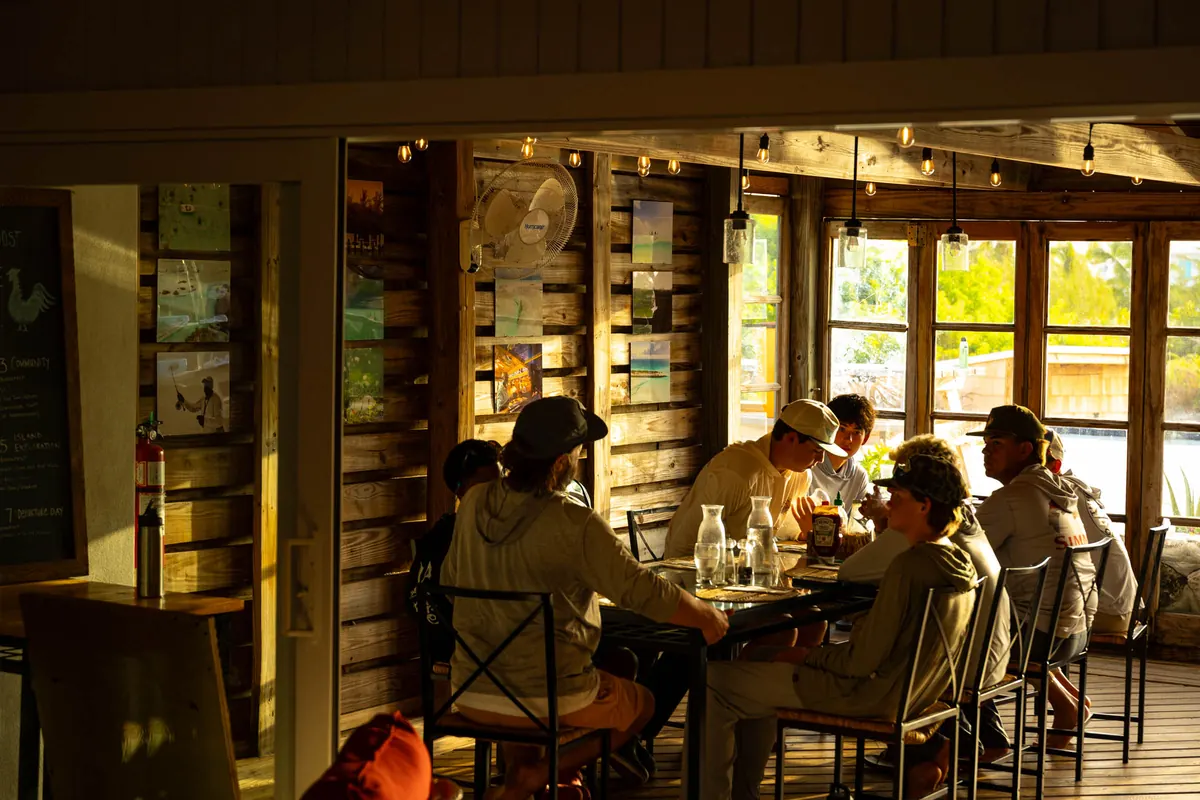
Soul Fly Lodge sits on the east side of Great Harbour Cay, in the Berry Islands in the northwest corner of the Bahamas. It's 22 feet above the sea, five minutes from the airport, with a 20 by 30 foot freshwater pool for after a long day, a fly shop in the building and a big dining room where everyone eats together.
The island
Most anglers have never heard of the Berry Islands. The ones who have tend to talk about them quietly, because of the big bonefish and permit over white sand.
Students talk with the guides about what keeps a fishery like this healthy and what threatens it, including the cruise ships that bring the islands both money and pressure.
Off the water there are hikes, a blue hole, cliff jumping, snorkeling around the island and basketball most nights.
"Fish for Change is working one group at a time to build real relationships within communities."
The fishery
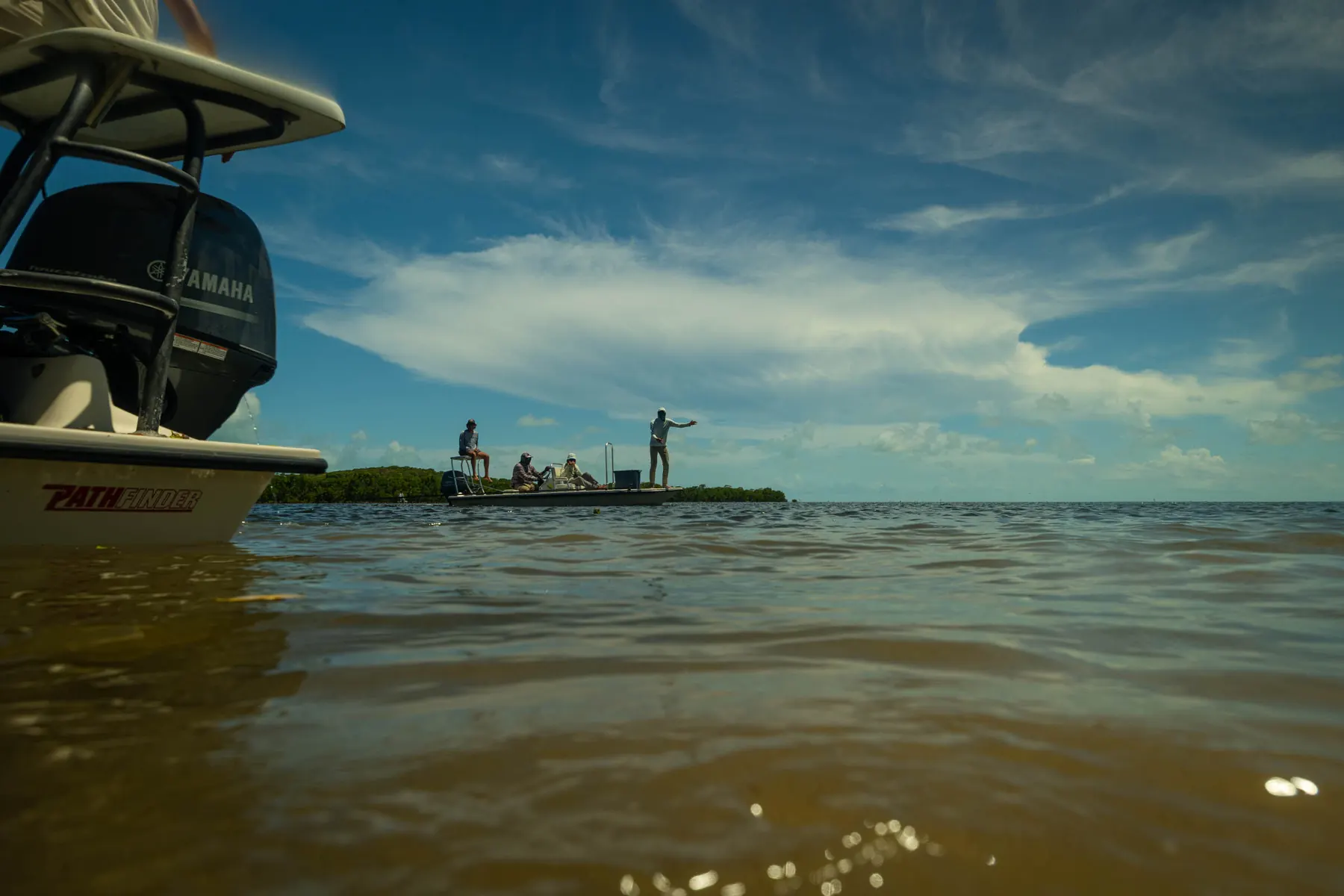
White sand flats, turtle grass and a backcountry that holds some properly big bonefish. The nearest flats are about fifteen minutes away by skiff, and a lot of the fishing is on foot, in water that's sometimes only inches deep.
- On foot
Bonefish
Big schools on the white sand, packed tight or spread out so far it feels like hunting singles. Lead them, keep quiet feet, land the fly without spooking the school.
- All chain
Permit
From the north end of the Berrys to the southern tip, on the right tides. Challenging, and attainable. Every guide at the lodge is a permit nut.
- Bonus
And more
Tarpon, barracuda, triggerfish and mutton snapper, from the bow or wading.
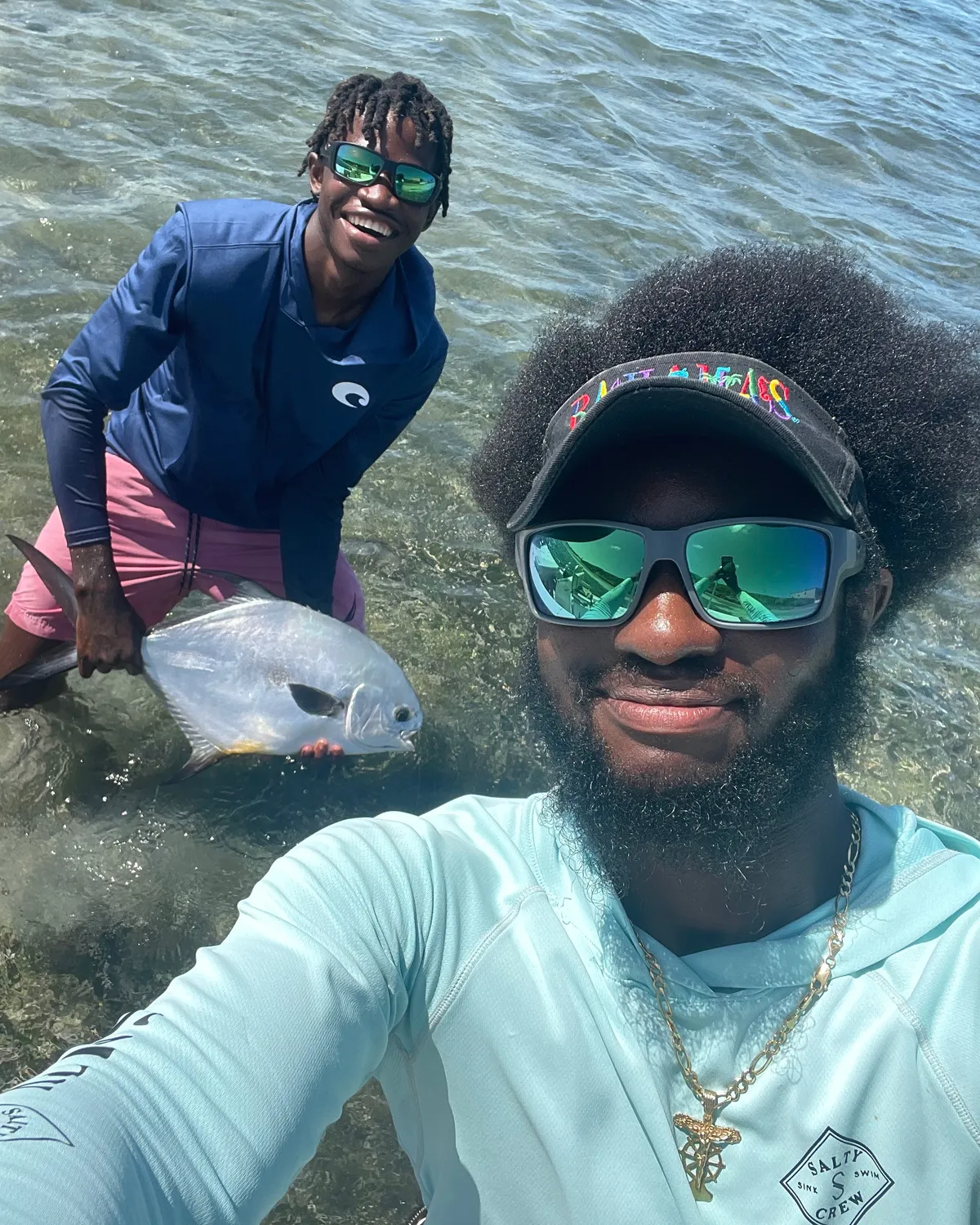
A Goombay Slam: bonefish, mutton snapper and permit in one day. In the first season Wanny, one of the Great Harbour Cay students and a guide in training at the lodge, poled Dre David to one. Dre was a Fish for Change student himself once, and now captains and guides in Bimini.
Bonefish & Tarpon Trust Citizen Science: students acquire data on fish caught throughout the week, so every fish they land helps scientists understand the species.
Your trip leaders
Leaders who know the island and the water, plus the Soul Fly guide team.
- Alec GriswoldBahamas program director, co-owner, Soul Fly Lodge
Founder of Elevate Youth in Boston, which gets young people outdoors. He runs the week as a mentor.
Off the water
Ten service hours over the week, signed off for school, and a lot of reasons to care about the flats they've been fishing. It's more than the hands-on work: the conversations that take place after are what awaken something in the students' minds.
- Fish data
Taking fish data with Bonefish & Tarpon Trust, so every fish they land helps scientists understand the species.
- Mangrove planting
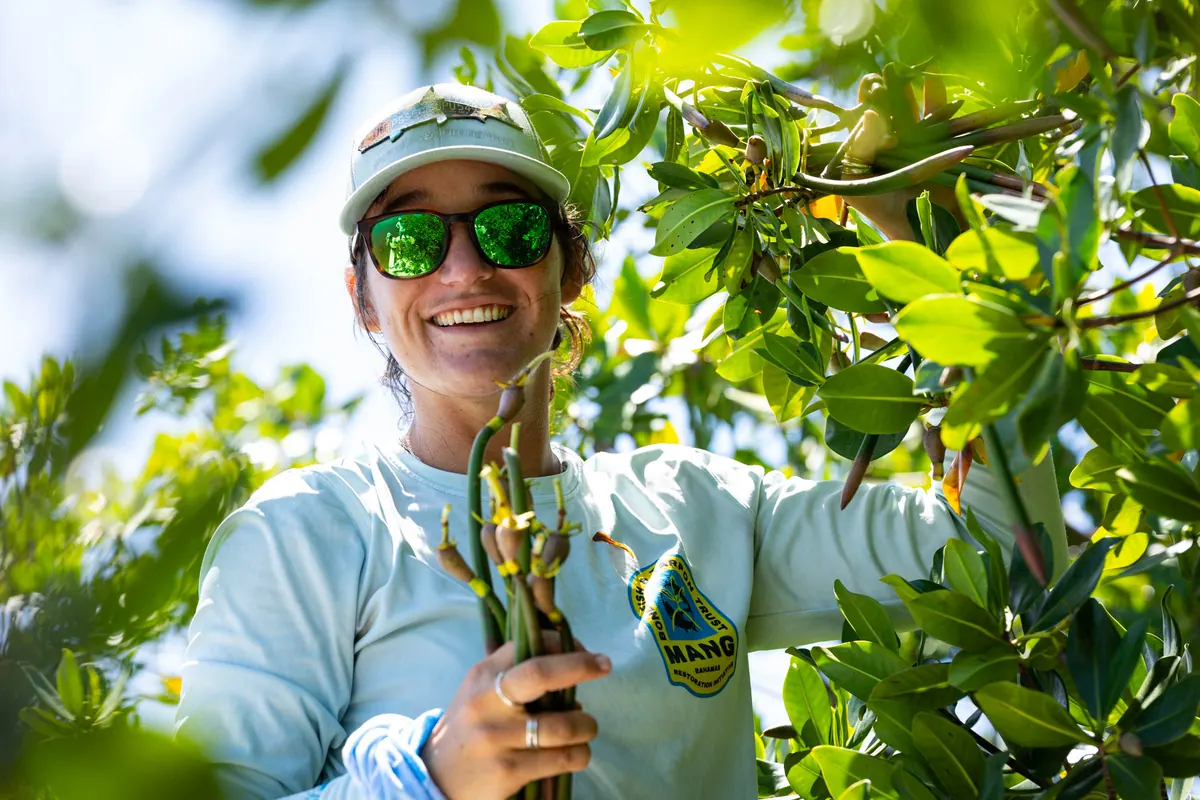
With Bonefish & Tarpon Trust, collecting mangrove propagules to rebuild the nursery grounds that feed the flats. They see where the bonefish they've been chasing start life.
- Coastal clean-ups
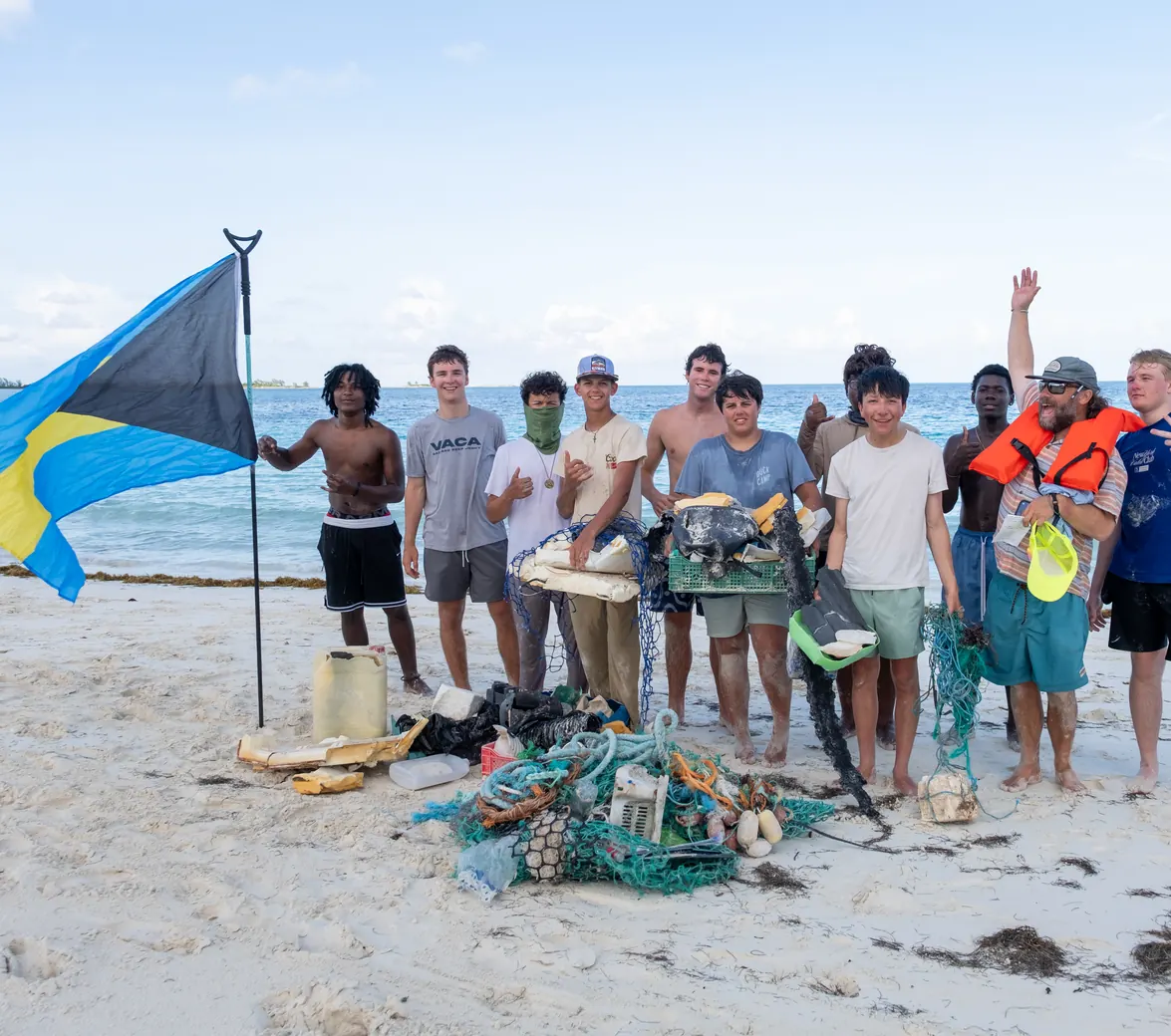
Pulling washed-up fishing nets out of the mangroves. Small, hard, useful work they can see finished.
- Diving for lionfish
Lionfish are invasive to the Bahamas. Students spend an afternoon bottom fishing and diving, shooting lionfish with pole spears along the way. We enjoy them for dinner, along with conch salad.
- Survivor
After a day of bottom fishing and diving, students split into groups of two on a deserted beach with one simple task: fillet your catch, build a fire and cook a meal. The judges (your trip leaders) grade on taste, aesthetic and creativity. May the games begin!
- Guide dinners
Once in the week, small groups eat with the guides and their families in their homes. The guide from the morning becomes a dad, a neighbor, a cook.
- Curiosity board
Students write 100 questions they have for the island: the people, the history, the fishery. Then they spend an afternoon walking around town, building confidence talking to strangers and sparking curiosity as they answer all their questions.
- Scavenger hunt
Small groups sent through town to understand the community. It turns curiosity into conversations with strangers.
- Guide relays
To wrap up the week, a skills tournament with the guides: everything from knots and casting to tying flies out of ocean trash, fire building and beach races.
- Basketball
In town, in the evenings.
- Fishing off the town pier
- Bring Your Kid to Work Day
One day each week the guides bring their kids fishing or to the lodge. It's a chance to get to know their families better and inspire a new generation of fly anglers!
- Final Fiesta
The final-day relay, ending with a big beach bonfire and a closing circle.
- Group circle
Next to the sunset or under the shooting stars, we dive into conversations led with vulnerability about our experience and personal growth.
"When I first agreed to send Jack off when he was 14, I was really thinking of it more as a fishing opportunity for him than anything else. As a Dad, I feel blessed that your organization has given him the perspective of how other people in the world live."
Getting there and home
Students fly into Nassau, then take a short flight on Lee Air to Great Harbour Cay. A trip leader travels with the group between Nassau and the island and helps with every check-in.
Arrival day
- Meet the group in Nassau (NAS) by 2:00 pm.
- Book the 4:30 pm Lee Air flight to Great Harbour Cay (GHC).
- Five minutes from the airport to the lodge.
Departure day
- Book the 8:00 am Lee Air flight to Nassau.
- Book your flight home from Nassau any time after 10:00 am.
- A trip leader helps everyone check in.
Packing list
Tick things off as you go. The list saves on this device, so you can come back to it. Sunscreen and lip balm should be chemical-free and reef-safe.
Essentials
Clothing
Fishing
Want to support an alum? Ask us and we'll point you to a former student who ties flies for trips.
Scholarships
We never want these programs to be cost-prohibitive. Aid runs from $500 to a full ride and is decided on need and drive.
- SepFinancial aid applications open each September.A cover letter (500 words minimum), a one-minute video, a letter of recommendation, the questions on the application, and your family's financial information. Allow about two hours. Nothing is shared outside the team.
- FebDeadline is the last day of February.Shortlisted candidates do a video interview with Fish for Change.
- MarDecisions by early March.Book flights, check your passport, practice your cast.
Questions parents ask
Who leads the week?
Alec Griswold, Bahamas program director and co-owner of Soul Fly Lodge, runs the week as a mentor, with the Soul Fly guide team.
How safe is this?
Every student has a Global Rescue membership for emergency rescue and medical evacuation, bought at registration. Trip leaders are First Aid and CPR certified, and several of our leaders hold Wilderness First Responder certification. Every location has an emergency action plan and an accessible clinic. More on how we keep students safe.
How much fishing experience does my kid need?
Any amount, including none. The guides teach to each student's level all week. Practice the cast before you come and you'll get more out of every shot.
Can I reach them during the week?
There's no wifi at any location, on purpose: disconnect to reconnect. Trip leaders collect phones at their discretion, and they're only for music and photos. You get a message when they arrive, a direct line to staff for updates, and photos on Instagram from that day.
What if my kid has never flown alone?
Most of them haven't. A trip leader travels with the group between Nassau and the island and helps with every check-in. If you'd like a travel companion, we can arrange for a trip leader or another student to fly with yours from the States.
Where do they sleep and eat?
At Soul Fly Lodge, two or three to a room, and everyone eats together in the big dining room.
What if we don't have the right gear?
No problem. Every lodge has backup rods and reels. Terminal tackle is the student's responsibility. If you're short a rod or reel, tell us before the trip and we'll make sure it's there.
Is there a cheaper way to do this?
Aid runs from $500 to a full ride, and students fund their trips in all sorts of ways. Financial aid applications open in September and close the last day of February. Here is the process.
Do they get credit for the service work?
Ten volunteer hours per program. Bring the school's form or email it afterwards and we'll sign it.
What is the drug and alcohol policy?
Zero tolerance. Students sign a form before the program and are sent home at their own cost if they break it.
Is this a good first saltwater week?
It's our pick for a first taste of saltwater fly fishing. The guides teach the cast as you go.
A day in the Bahamas
Most days run like this. Scroll through one.
Up at 6:30. Music, then the megaphone.
Breakfast together, every day. We discuss our game plan for the day over pancakes and bacon. Then off to go have the best day ever, yet again!
Six hours on the water.
A different boat, guide and partner every morning. That is how you learn to read a flat.
Conservation and community time.
Taking fish data with Bonefish & Tarpon Trust, planting mangroves, coastal clean-ups. Or community time: the curiosity board, a scavenger hunt, guide relays.
Dinner with the guides.
Dinner happens at the lodge most nights, and all the guides join for dinner! Outside of that, we go to dinner in town once, and we have dinner at the guides' homes once.
Basketball, or the town pier.
Evening basketball in town, and fishing off the town pier.
Circle and free write.
One thing you're grateful for, out loud, to people you met this week. Five minutes of writing that runs to fifteen. Kids who won't speak at the start of the week are leading the circle by the end of it.
Learn the flats from the people who'll be guiding them for the next forty years.
High school boys, June 25th to July 1st, 2027. Soul Fly Lodge, Great Harbour Cay. $4,050 plus guide tips.
Questions before you enroll
- Emailinfo@fishforchange.org
- Phone954-579-3457
- The lodgesoulflylodge.com
- Instagram@fishforchange