
Costa Rica road trip · Summer 2027
Tarpon in the jungle. Jaguars on camera. They come home thinking like scientists.
Nine days on the road with Fly Fishing Costa Rica. Students call it the Journey of Water: part fly fishing trip, part wildlife adventure, part field science.
2027 program dates
- July 30th to August 8thHigh School and College Boys
$4,350plus guide tips
8 students, 3 trip leaders. Fly into San José (SJO).
Not included: flights, guide tips, and a Global Rescue membership, bought at registration.
Enroll nowCosta Rica road trip
Fish for Change trip package, summer 2027. With Fly Fishing Costa Rica.
July 30th to August 8th, 2027, high school and college boys. $4,350 plus guide tips. 8 students, 3 trip leaders. Fly into San José (SJO). Not included: flights, guide tips, and a Global Rescue membership, bought at registration.
info@fishforchange.org · 954-579-3457 · fishforchange.org
At a glance
Compare all five weeks- Physical effort
- ActiveNine days on the road, drives of up to six hours, a night camping.
- Wading or boat
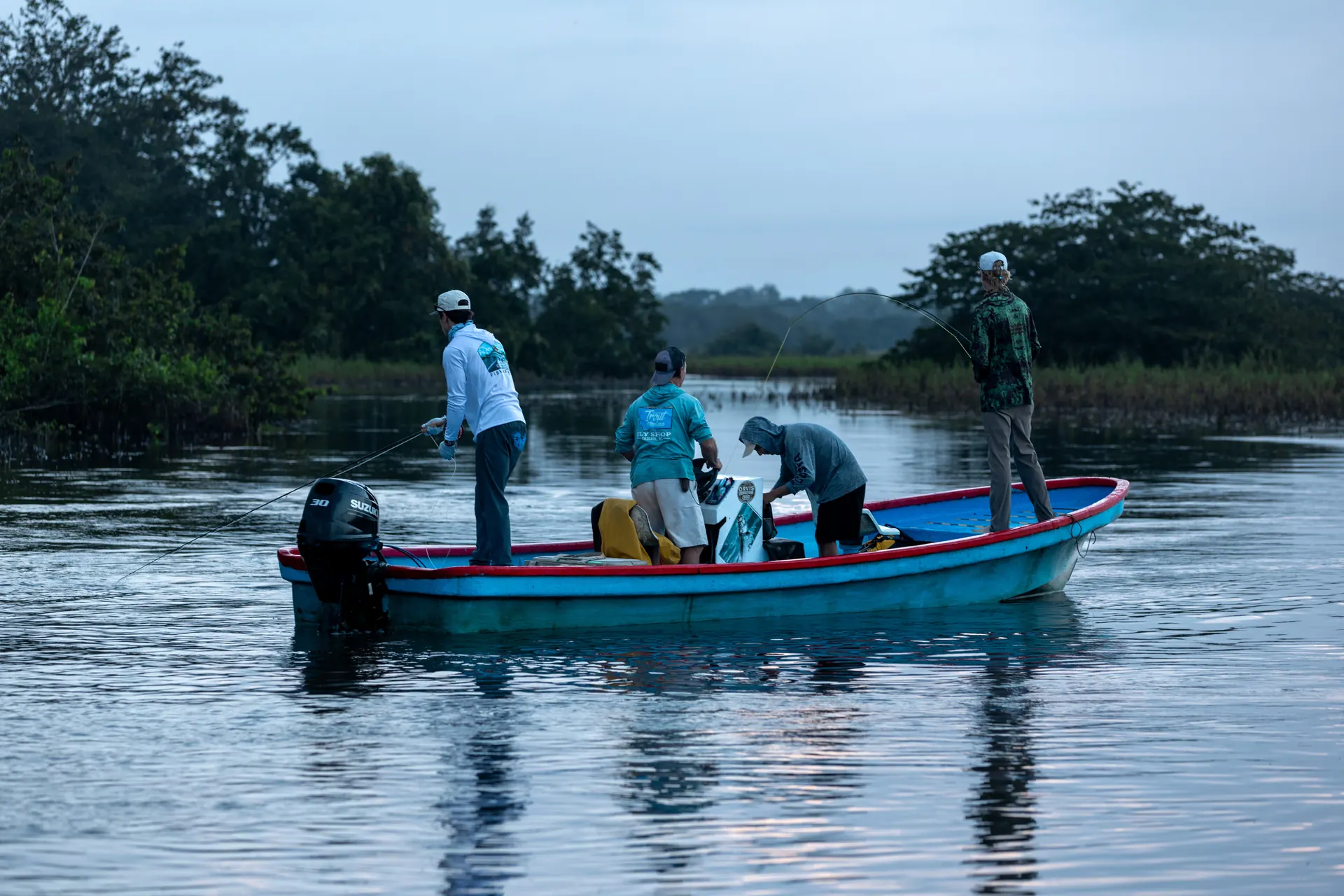
- Mostly boatRafts and river pangas, casting at tarpon from the bow.
- Fly fishing experience
- Every level welcomeThe tarpon are big and the gear is heavy (12-weight), but we are also expert teachers.
- Culture and language
- ModerateA language swap with the guides and a Costa Rican apprentice.
Nine days on the road
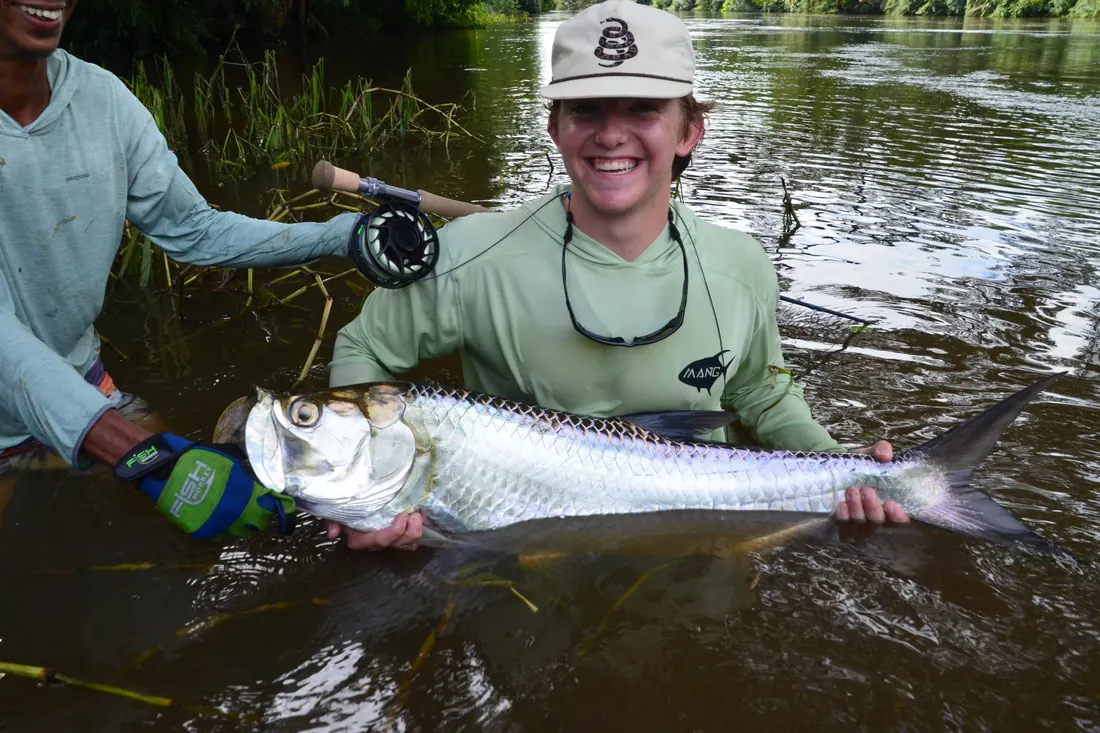
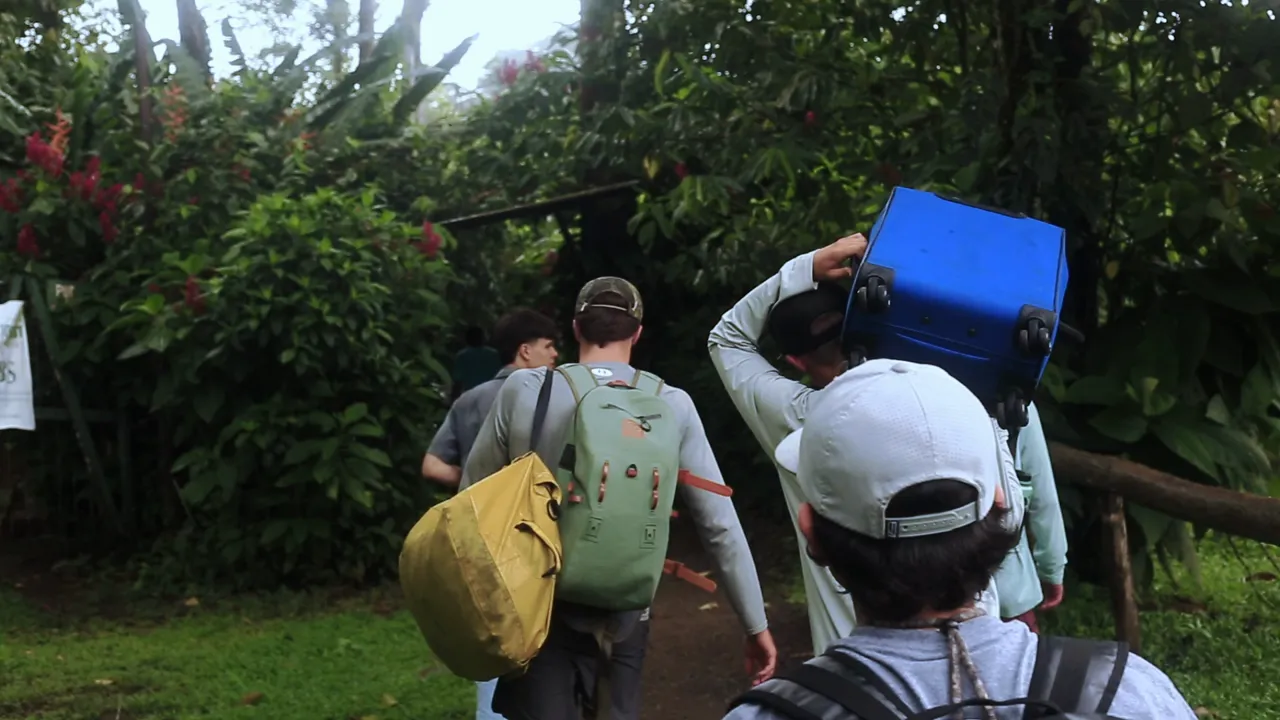
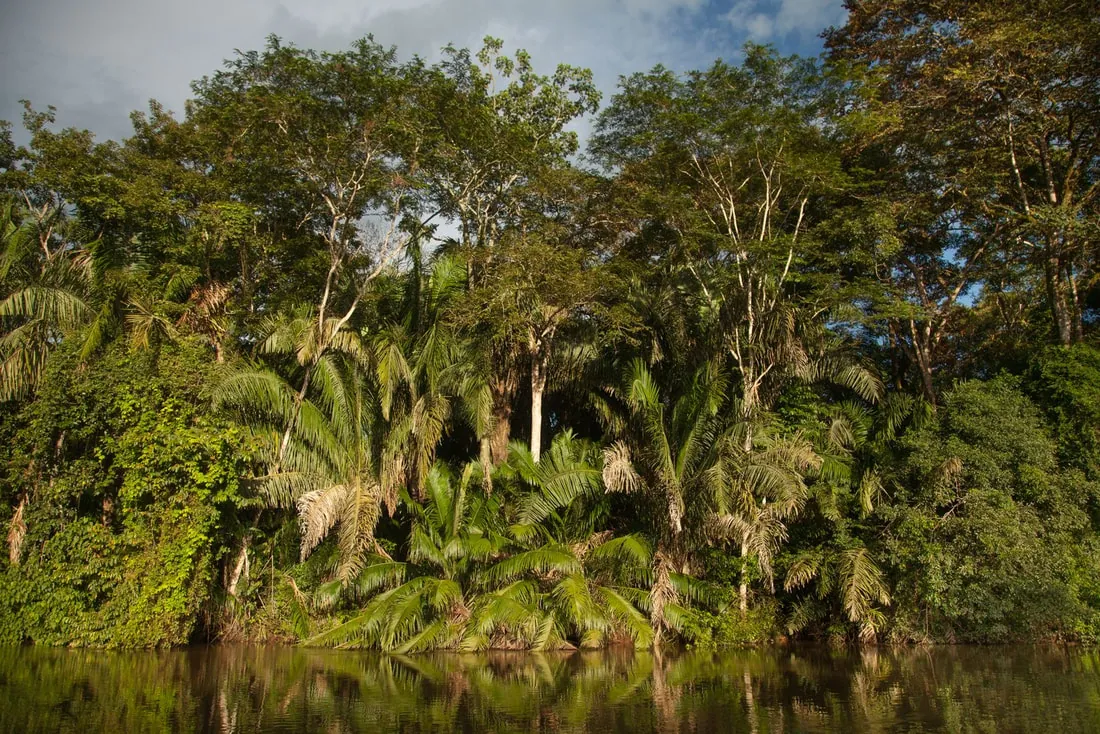
Eight students, three leaders and the rivers of Costa Rica. The group starts in the Caribbean lowlands of Sarapiquí, where machaca take fruit off the surface, then heads north to the Jungle Tarpon Reserve, where big tarpon roll in tea-dark lagoons a long way from the sea. Along the way: a world-famous research station, river cleanups, tree planting, a working jaguar study, and immersion in a fully functioning jungle cattle farm.
Costa Rica abolished its army in 1948, the first country to do so, and holds about five percent of the world's species in a country the size of West Virginia. Students see, up close, what it looks like when a country decides to protect what it has.
A Costa Rican student who wants to guide comes along for the whole trip as an apprentice. Past local students include Kane from Quepos, whose dad has guided at the reserve, and Maikell from Barra Parismina on the Caribbean coast. They're the group's bridge into the language and the culture.
Some drives between rivers run up to six hours. With the right company, Archie says, the hours pass quickly.
"In Scotland, it's challenging to find younger people who fly-fish, making trips like this so special."
Day by day
The rough plan. Water levels and weather can shift it.
- Day 1
Arrive in San José. Welcome dinner.The group meets over dinner, so earlier flights are better.
- Day 2
Morning drive to Sarapiquí. Afternoon hike and nature tour at La Selva Research Station.Team building, and a first look at how scientists study a rainforest.
- Day 3
Machaca float in the morning, a social activity in the afternoon, a night hike.
- Day 4
Machaca float in the morning, then on to the Jungle Tarpon Reserve.
- Day 5
Tarpon fishing and camera trapping in the reserve.The cameras they set feed a working jaguar study.
- Day 6
Tarpon fishing and camera trapping, then a night camping on a local farm in the heart of the reserve.
- Day 7
A social activity in the morning, tarpon and camera traps in the afternoon.
- Day 8
Morning tarpon fishing and camera traps, then back to San José.
- Day 9
Fly home from San José.
Where you stay
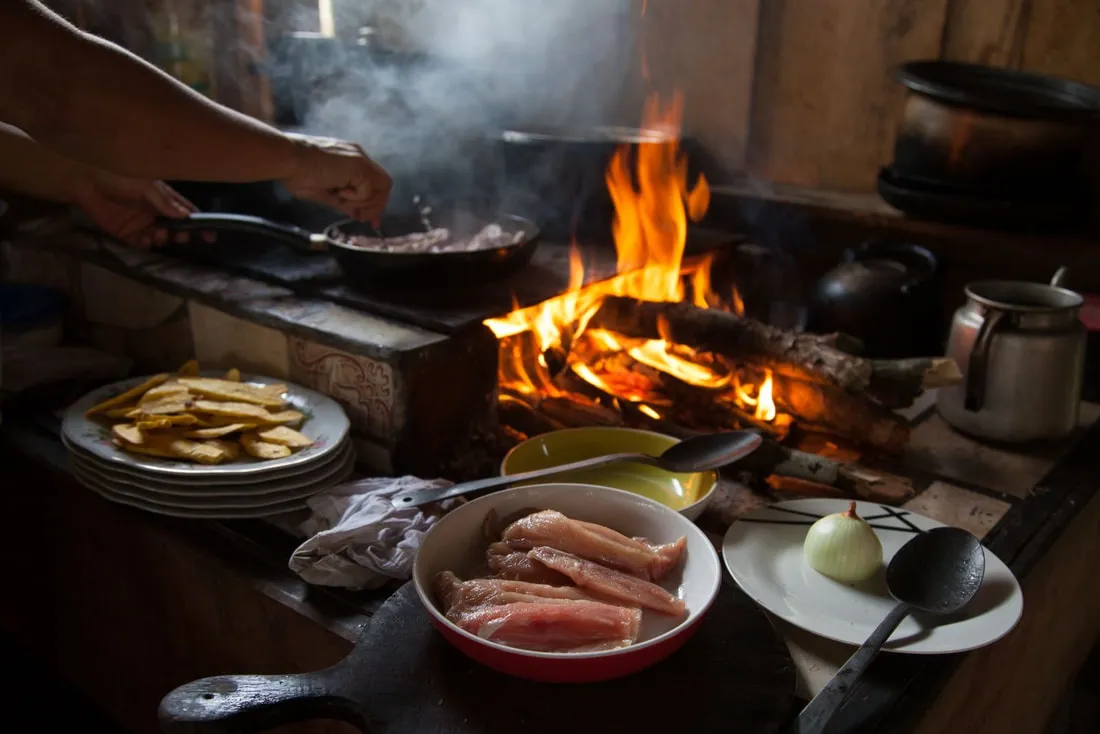
The trip moves, so the beds and the meals do too: an assortment of food and places to stay over the course of the road trip, with plenty of meals out along the way.
The fishery
Two oceans and a lot of rivers in a small country, so a lot of species within a few hours' drive. This trip goes after the warm-water exotics.
- Fruit flies
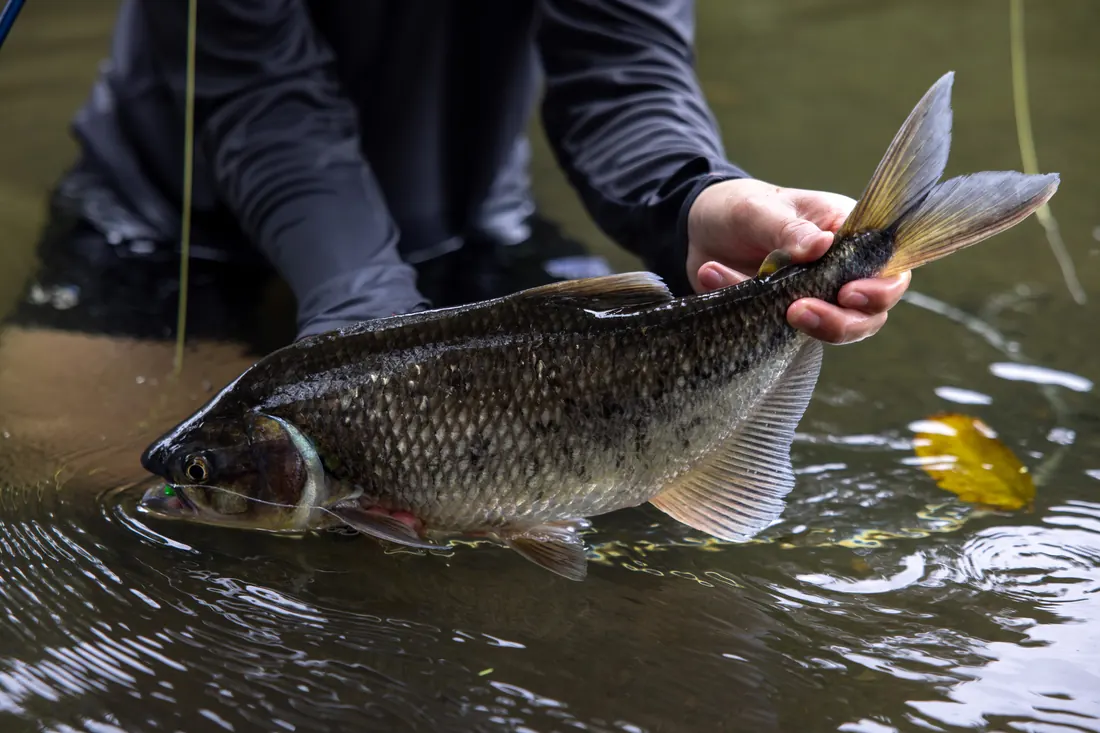
Machaca
A distant cousin of the piranha, with teeth to match, that turns mostly vegetarian as an adult and eats fruit, flowers and leaves that fall in. Fished from a whitewater raft or river panga, two anglers to a boat.
- 12 weight
Jungle tarpon
Adult tarpon that migrate about 150 miles inland from the Caribbean into the reserve's lagoons. Months in tannin-stained water turn them dark. They charge flies.
- Streamers
Guapote
The elusive one in the Caribbean lowlands. Plus tropical garfish in the north, alongside sawfish and freshwater bull sharks.
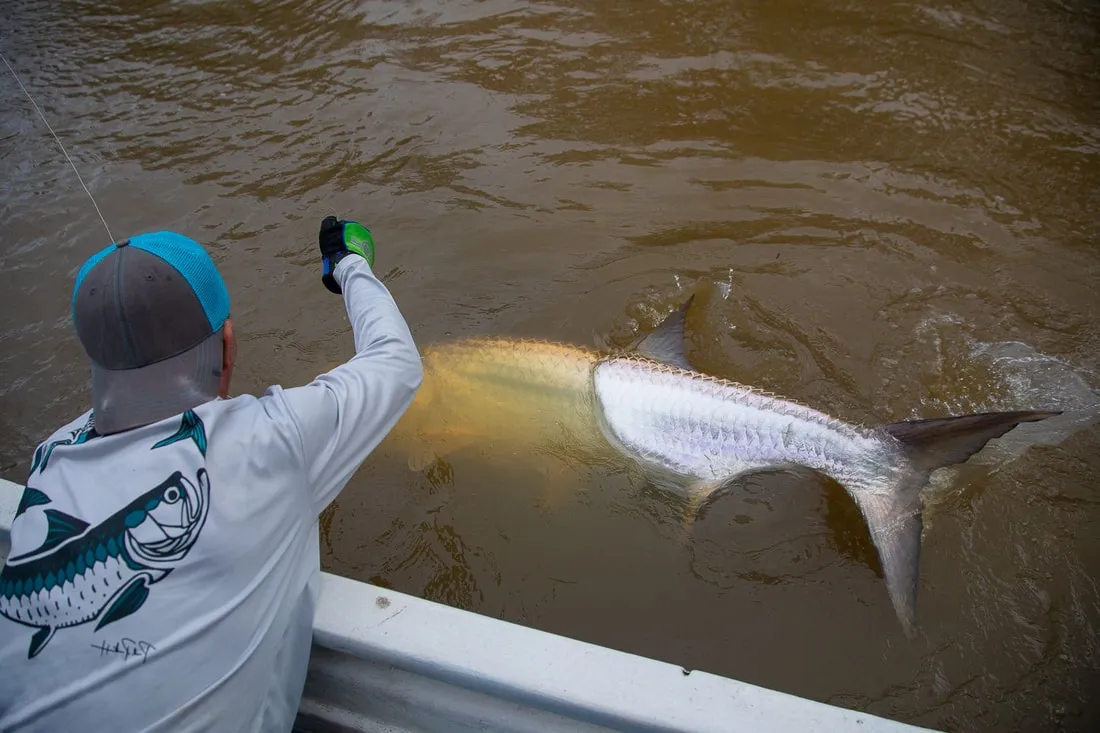
"Out of my 8 years of fly fishing I have never felt a feeling like I did standing on the bow casting at these tarpon."
Your trip leaders
Tom owns Fly Fishing Costa Rica and comes in and out through the trip. Kevin is the trip lead, and August, a Fish for Change alum, is the alumni trip lead. Alumni stay in touch with them long after the trip.
- Tom EnderlinCosta Rica program director, owner of Fly Fishing Costa Rica
Head guide, filmmaker, photographer, writer and nature nerd, with a lifelong connection to Costa Rica. The educator of the trip.
- Kevin JacksonFly fishing guide and trip leader, Fly Fishing Costa Rica
From Philadelphia, with a background in fisheries biology and commercial fishing in New England. Moved to Costa Rica in 2017. Teaches catch and release, and how to make ethical calls on the water.
- August BryanAlumni trip leader
Raised in the western suburbs of Chicago, where fly fishing wasn't a thing. His connections through Fish for Change helped him become a guide in Puerto Rico and the Seychelles.
Off the water
Ten service hours over the trip, signed off for school.
- Jaguar study
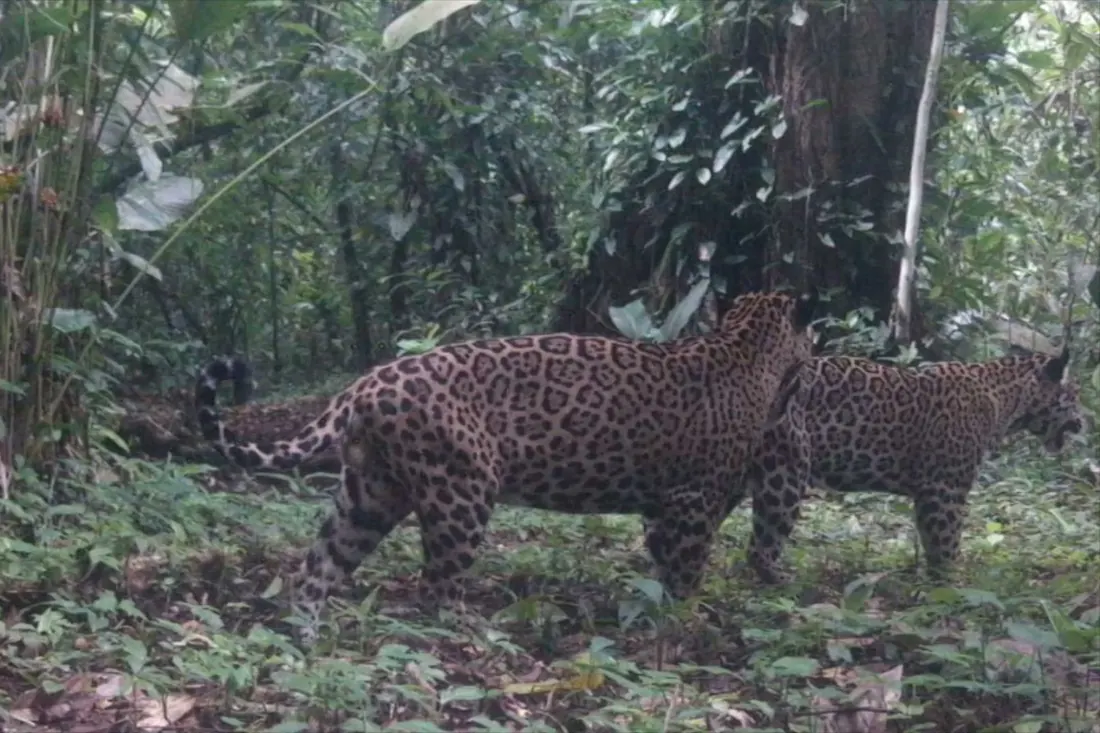
Setting up and checking trail cameras for jaguar research in Caño Negro. It's real fieldwork for a real study, so students find out what science feels like from the inside.
- La Selva Research Station
A hike and tour at a world-famous biological station in lowland rainforest. They see how researchers learn what lives there.
- Night ecotour
Out in the forest after dark, learning how much of Costa Rica's biodiversity only moves at night.
- Hiking and wildlife
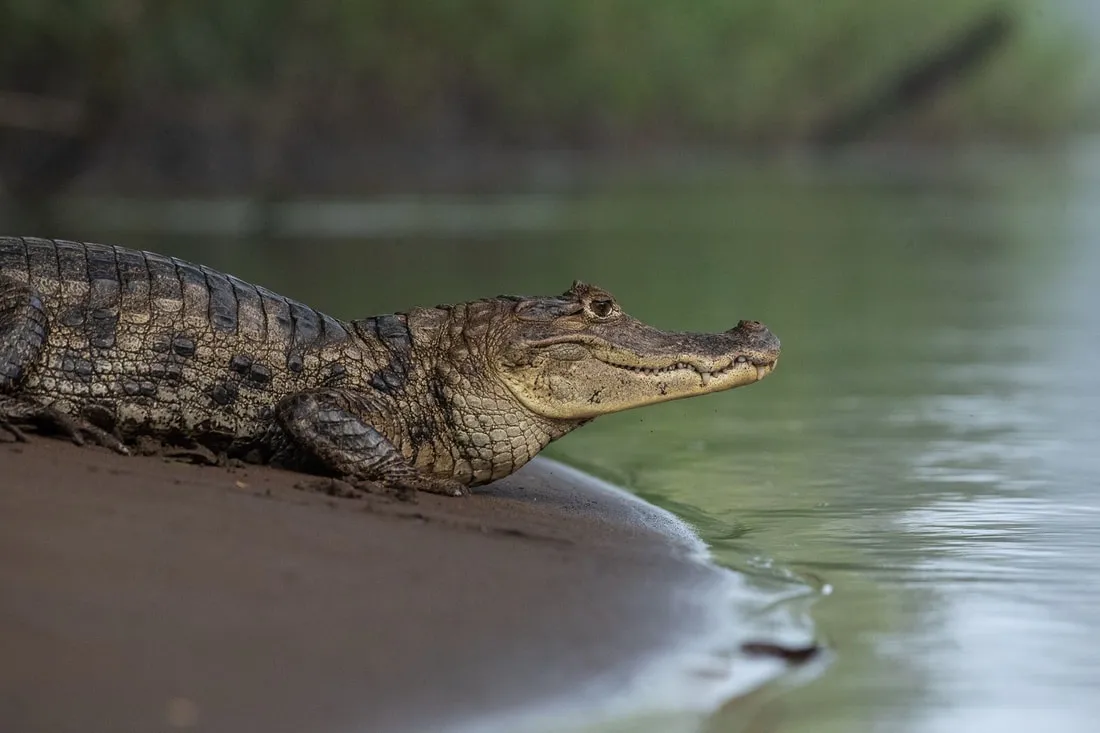
Monkeys, caiman, sloths and tree frogs. Sarapiquí is one of the last places to see the endangered great green macaw.
- Tree planting
Helping with reforestation and learning why it matters. The rivers they fish are only as healthy as the forest around them.
- River cleanups
Giving something back to the water that hosted them all week.
- Language class
Swapping English and Spanish with the guide team. Being the beginner in someone else's language builds a lot of patience.
- Evening reflections
Time to read, write and get the day down in a journal before it blurs into the next, then tie a tarpon fly for the next day's search.
"The Journey of Water helps us create bonds with people from other countries that we only share one thing in common, and that is the passion for fly fishing."
Getting there and home
Students fly in and out of Juan Santamaría International Airport (SJO) in San José. A Fish for Change representative meets them at the airport, and the group travels by private shuttle van.
Arrival day
- Land in San José (SJO) any time. Earlier is better, so you make the welcome dinner.
- A Fish for Change representative meets you at the airport.
- Private shuttle to the first night's stop.
- Parents are told when everyone reaches the evening destination.
Departure day
- Fly out of San José any time. Earlier in the day is preferred.
- Trip leaders help everyone check in and sort out travel needs.
Packing list
This trip needs more kinds of gear than any other Fish for Change program. Tick things off as you go; the list saves on this device. Missing something? Ask the staff before the trip and they'll help.
Rods, reels and lines
Flies
Want to support an alum? Ask us and we'll point you to a former student who ties flies for trips.
Essentials
Clothing
Scholarships
We never want these programs to be cost-prohibitive. Aid runs from $500 to a full ride and is decided on need and drive.
- SepFinancial aid applications open each September.A cover letter (500 words minimum), a one-minute video, a letter of recommendation, the questions on the application, and your family's financial information. Allow about two hours. Nothing is shared outside the team.
- FebDeadline is the last day of February.Shortlisted candidates do a video interview with Fish for Change.
- MarDecisions by early March.Book flights, check your passport, practice your cast.
Questions parents ask
Who leads the trip?
Tom Enderlin, who owns Fly Fishing Costa Rica, comes in and out through the trip. Kevin Jackson is the trip lead, and August Bryan, a Fish for Change alum, is the alumni trip lead.
How safe is this?
Every student has a Global Rescue membership for emergency rescue and medical evacuation, bought at registration. Trip leaders are First Aid and CPR certified, and several of our leaders hold Wilderness First Responder certification. Every location has an emergency action plan and an accessible clinic. More on how we keep students safe.
How much fishing experience does my kid need?
Any amount. The tarpon are big and the gear is heavy, so casting practice before the trip makes a real difference.
Can I reach them during the trip?
There's no wifi at any location, on purpose: disconnect to reconnect. Trip leaders collect phones at their discretion, and they're only for music and photos. You're told when students reach the evening destination on arrival day, you have a direct line to staff, and photos go up on Instagram.
What if my kid has never flown alone?
Most of them haven't. A Fish for Change representative meets them at the airport, and trip leaders help everyone check in for the flight home. If you'd like a travel companion, we can arrange for a trip leader or another student to fly with yours from the States.
Where do they sleep and eat?
The trip moves, so the beds and the meals do too: an assortment of food and places to stay over the course of the road trip, with plenty of meals out along the way.
What if we don't have the right gear?
Ask the staff before the trip and they'll help. The reserve lends 12-weight outfits for free, with a $150 fee if a rod breaks.
Is there a cheaper way to do this?
Aid runs from $500 to a full ride, and students fund their trips in all sorts of ways. Financial aid applications open in September and close the last day of February. Here is the process.
Do they get credit for the service work?
Ten volunteer hours per program. Bring the school's form or email it afterwards and we'll sign it.
What is the drug and alcohol policy?
Zero tolerance. Students sign a form before the program and are sent home at their own cost if they break it.
Who is this trip for?
Students who love wildlife and science as much as fishing. It's open to high school and college boys, and it's the longest Fish for Change program at nine days.
Why only eight students?
The group moves every few days, so it stays small.
"The best part about fish for change is the constant positive attitude from everyone. I was met with high fives from everywhere."
Nine days that turn a fishing trip into fieldwork.
High school and college boys, July 30th to August 8th, 2027. With Fly Fishing Costa Rica. $4,350 plus guide tips.
Questions before you enroll
- Emailinfo@fishforchange.org
- Phone954-579-3457
- The outfitterflyfishingcostarica.com
- Instagram@fishforchange