
Guanaja, Honduras · Summer 2027
Land on a Saturday. Seven days later, it feels like you've come home.
Fly Fish Guanaja, Mangrove Bight. The island where the first Fish for Change week happened, and the one Heather still calls the richest place she has ever been.
2027 program weeks
- June 5th to 12thGirls Week
- June 12th to 19thHigh School Boys
- June 19th to 26thHigh School Boys
- July 3rd to 10thHigh School Boys
$4,500guide tips and ferry included
10 students, 2 trip leaders. Fly into Roatán (RTB).
Not included: flights, and a Global Rescue membership, bought at registration.
Enroll nowGuanaja, Honduras
Fish for Change trip package, summer 2027. Fly Fish Guanaja, Mangrove Bight.
Girls Week June 5th to 12th. High school boys June 12th to 19th, June 19th to 26th and July 3rd to 10th, 2027. $4,500, guide tips and ferry included. 10 students, 2 trip leaders. Fly into Roatán (RTB). Not included: flights, and a Global Rescue membership, bought at registration.
info@fishforchange.org · 954-579-3457 · fishforchange.org
At a glance
Compare all five weeks- Physical effort
- ModerateSix hours on the water a day, plus a waterfall hike and soccer.
- Wading or boat
- BothPangas every morning, and flats you can walk to from the lodge.
- Fly fishing experience
- Every level welcomeFirst-timers and seasoned anglers fish the same water, and the guides work on everyone's cast all week.
- Culture and language
- ModerateEnglish-speaking town, dinners in the guides' homes, two local students.
Seven days at Mangrove Bight
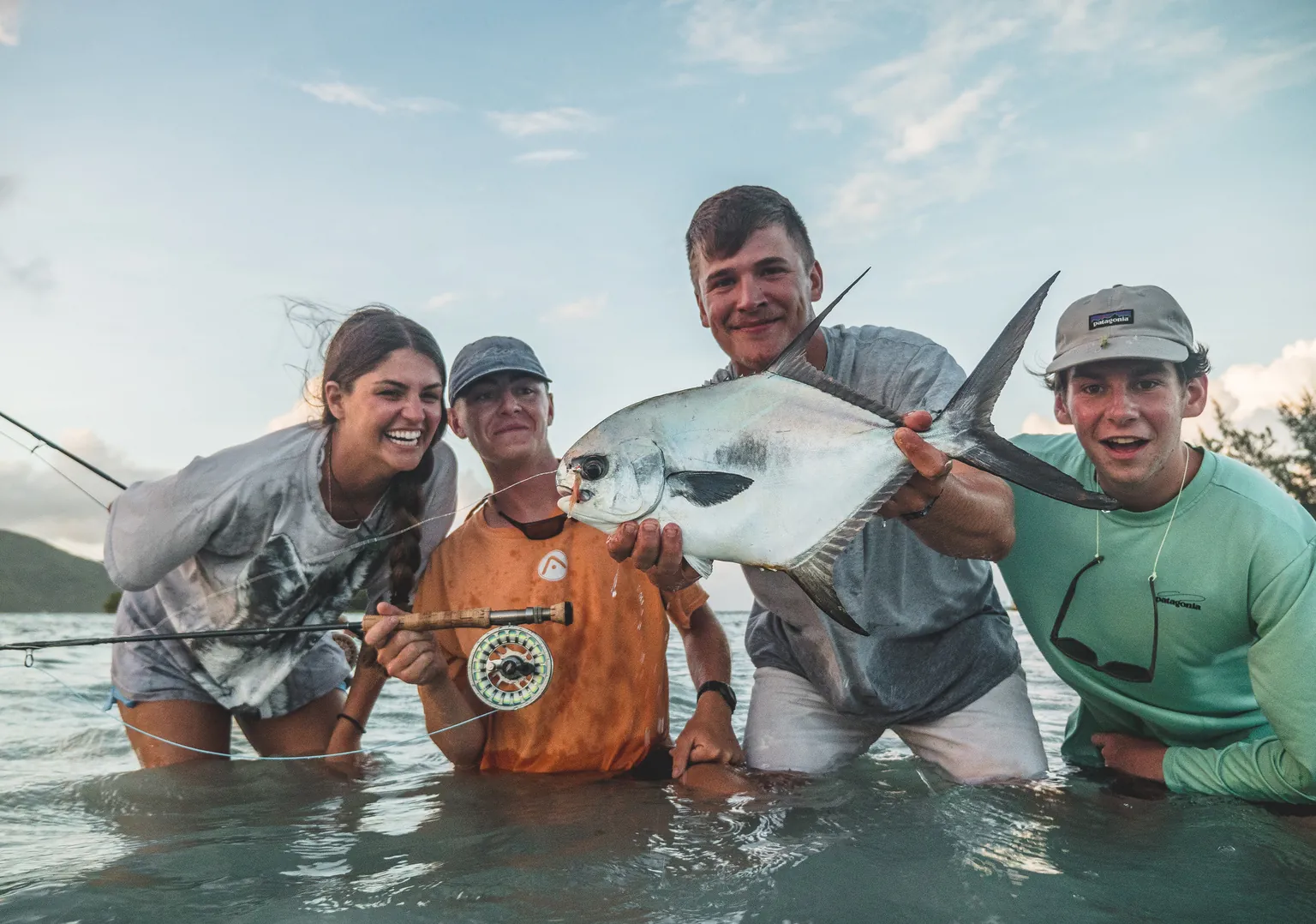
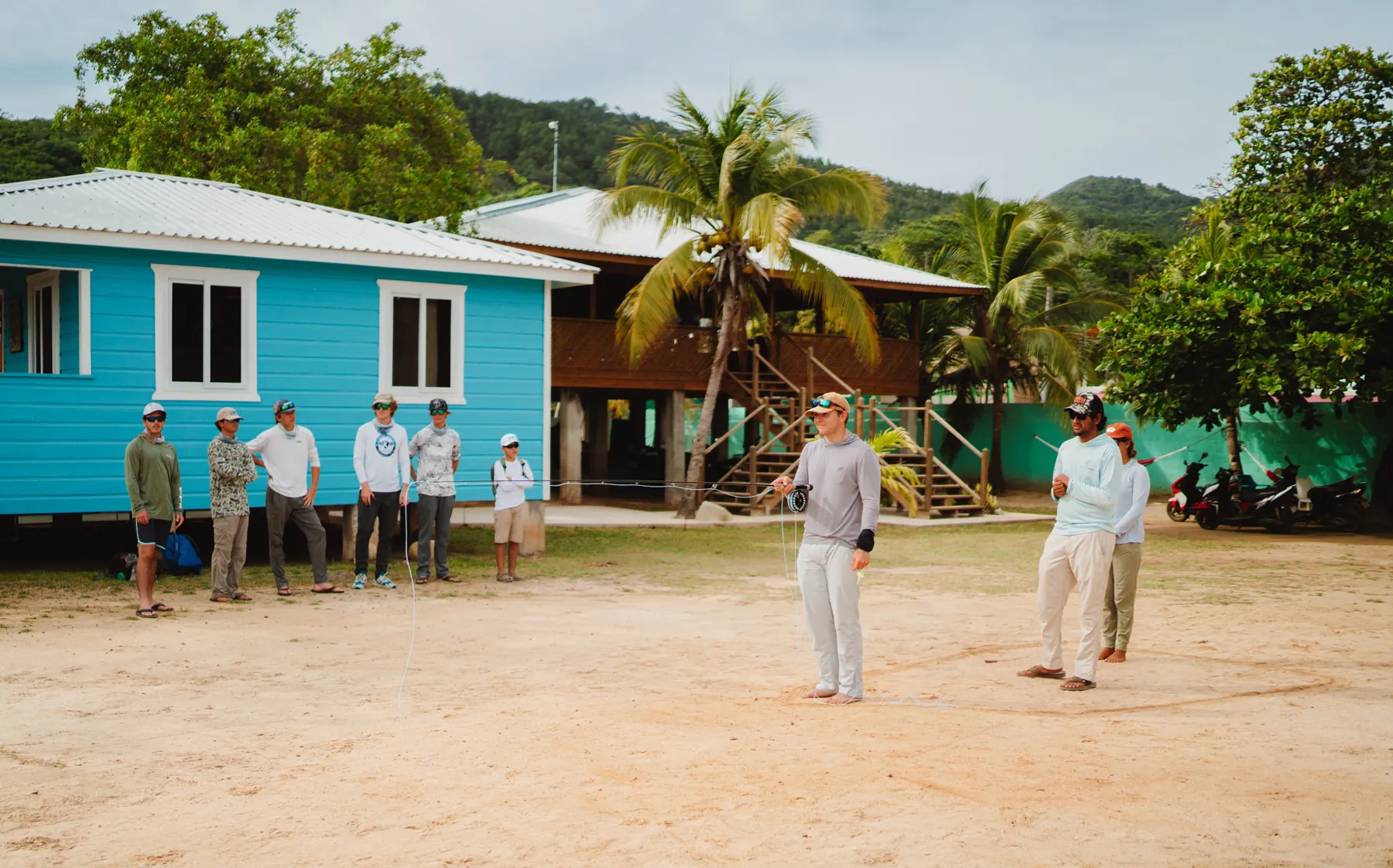
Ten students, two trip leaders, seven days. Mornings on the flats with the Powery, Medina, and Jackson families. Afternoons that alternate between conservation work and being let loose in town. Evenings in a circle, then on the dock. Guanaja is where Fish for Change started, and the town treats each week like family coming home.
Every day runs the same way: up at 6:30, breakfast together, six hours of fishing, an afternoon project or cultural exchange, a gratitude circle, a free write, night fishing off the dock.
Plus a career night on the jobs that exist around fishing, Bring Your Kid to Work Day with the guides' children, and a cleanup with the local elementary school.
Trip leaders collect phones at their discretion, and they're only for music and photos. Parents get a message when everyone has arrived safely, and photos go up on Instagram every day.
"Guanaja is home away from home. Everyone in Mangrove Bight is a family to me, and I look forward to coming back year after year."
The lodge
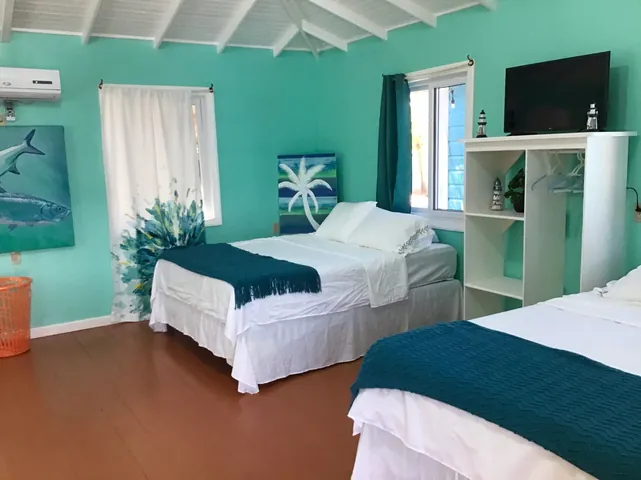
Fly Fish Guanaja sits next to the marina in the middle of Mangrove Bight. Two or three students to a cabina, a protected reef off the beach for snorkeling, hiking trails to waterfalls, flats you can walk to, and the whole town within a five-minute stroll. The lodge moms cook every meal and handle the laundry, and by mid-week they know every student by name. It has everything a week needs, and it doubles as the campus.
"Less than 24 hours in, we were all fast friends laughing and joking with each other in the kitchen over cheerios."
The island
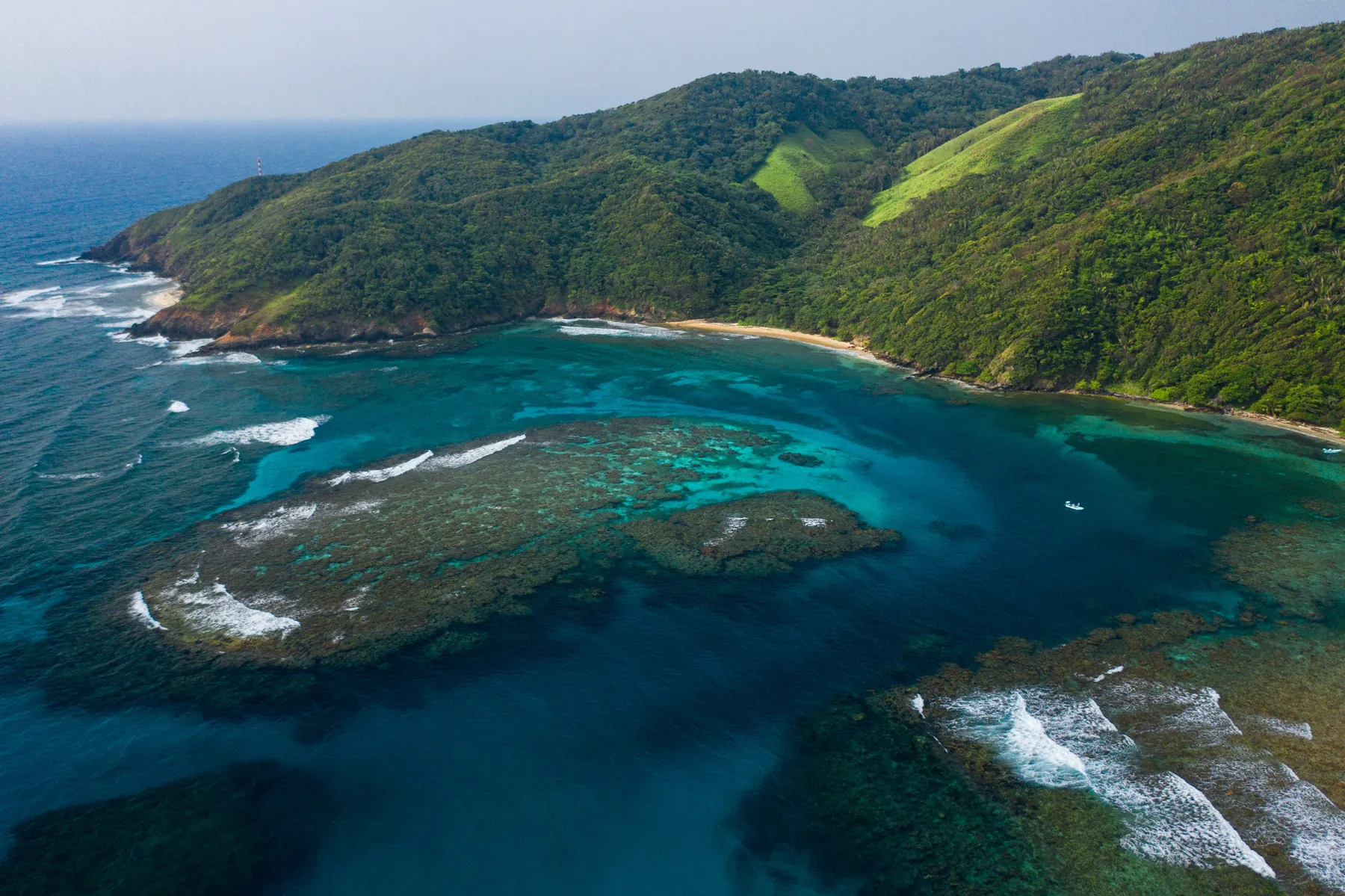
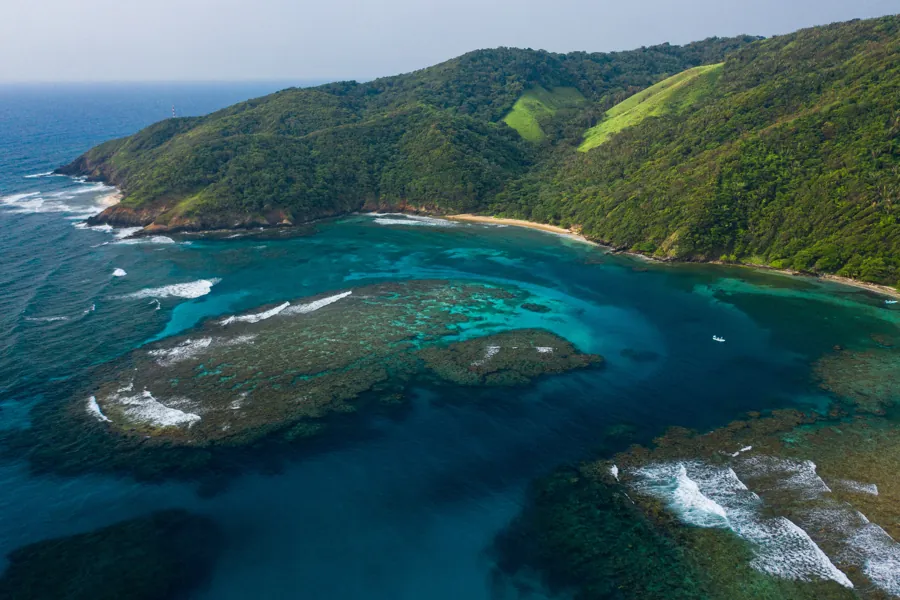
Guanaja is one of the Bay Islands off the Caribbean coast of Honduras, about eleven miles by three, with around ten thousand people living on and around it. English is the first language, humor is the second. There is very little tourism, so the students are guests of a town, not customers of a resort.
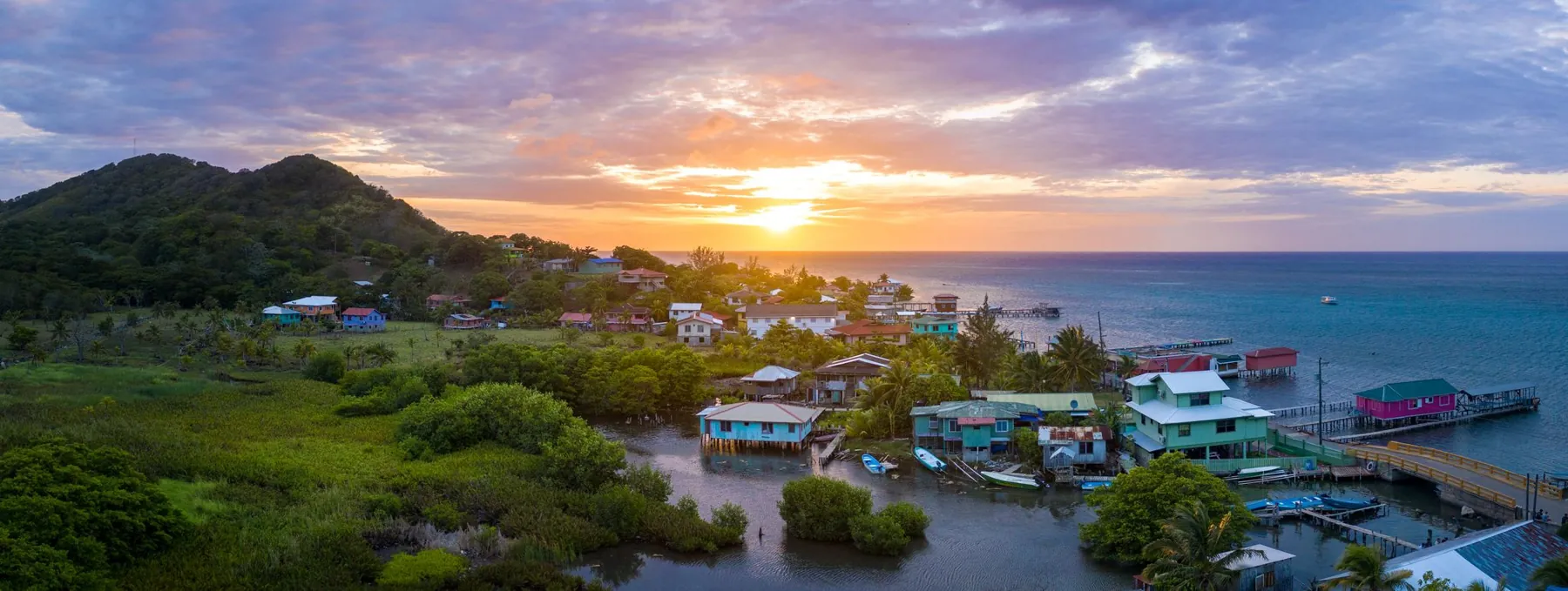
Getting there: fly into Roatán, then a two-hour ferry across open water to the neighboring island.
"Mangrove Bight is the nicest community I've ever been in and I will be coming back as soon as possible."
The fishery
A diverse Caribbean flats fishery: hard sand, turtle grass and coral. The permit and bonefish population has multiplied since anglers started coming in 2008. Catch and release took hold because visiting anglers support local jobs, so the more people fish it well, the better it gets.
- 4 to 10 lb
Bonefish
Big schools around the small islands to the south, big singles feeding around the whole coast. Plentiful, and not easy.
- 5 to 40 lb
Tarpon
Big, small, we love them all. Big resident fish cruising across the flats and juvenile tarpon living in the nursery grounds around the corner from the lodge.
- 10 to 50
Permit
Visible in a day with multiple shots. Permit are put on a pedestal for a reason. It doesn't always come together, but when it does, it is most likely the best fish of your life.
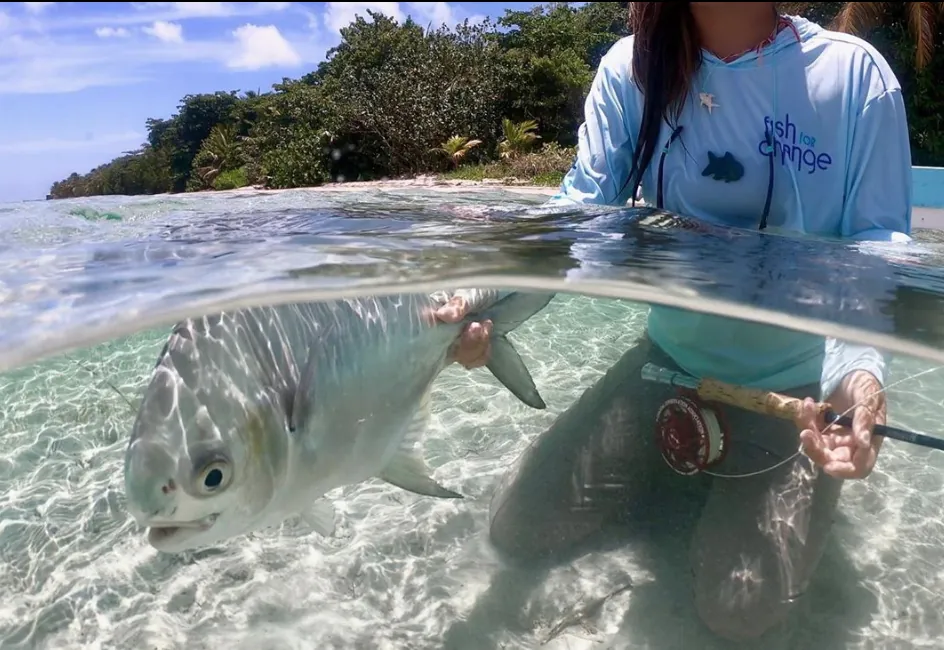
Also on the flats: snook, barracuda, yellowjack, triggerfish and boxfish.
After dinner: flats species come into the dock lights. We fish for them on fly and on hand lines.
One offshore day: out with the local fishermen, trolling and deep-dropping hand lines for snapper, grouper, barracuda and tuna, then a feast that the students learn to clean and cook themselves.
The boats are custom pangas built on Guanaja by the island's own boat maker and built for these exact flats.
"Whether that be spotting a single bonefish, or getting an exhilarating follow from a permit, even without success we could still be stoked about what just happened."
Off the water
Afternoons alternate between an environmental project and a cultural exchange. Ten service hours over the week, signed off for school.
- Mangrove project
With the Bay Islands Conservation Association, learning the island's mangrove initiative and rebuilding the forest by hand.
- Diving for lionfish
On the Mesoamerican Barrier Reef, the second largest in the world, spearing invasive lionfish with homemade pole spears.
- Local students
Two students from Guanaja who want to become fly fishing guides join the week on the Pollito scholarship.
- Fish data
Taking fish data with Bonefish & Tarpon Trust, so every fish they land helps scientists understand the species.
- Dinner in town
The guides welcome small groups into their homes for dinner with their families.
- Bring Your Kid to Work Day
Hand-lining and trolling with the guides' children, then a feast from whatever comes over the side.
- Scavenger hunt
Small groups sent through town with questions to answer and activities to engage in, building understanding and buy-in to this place and the beautiful people who make up its community.
- Waterfall hike
Into the hills behind the lodge.
- Soccer
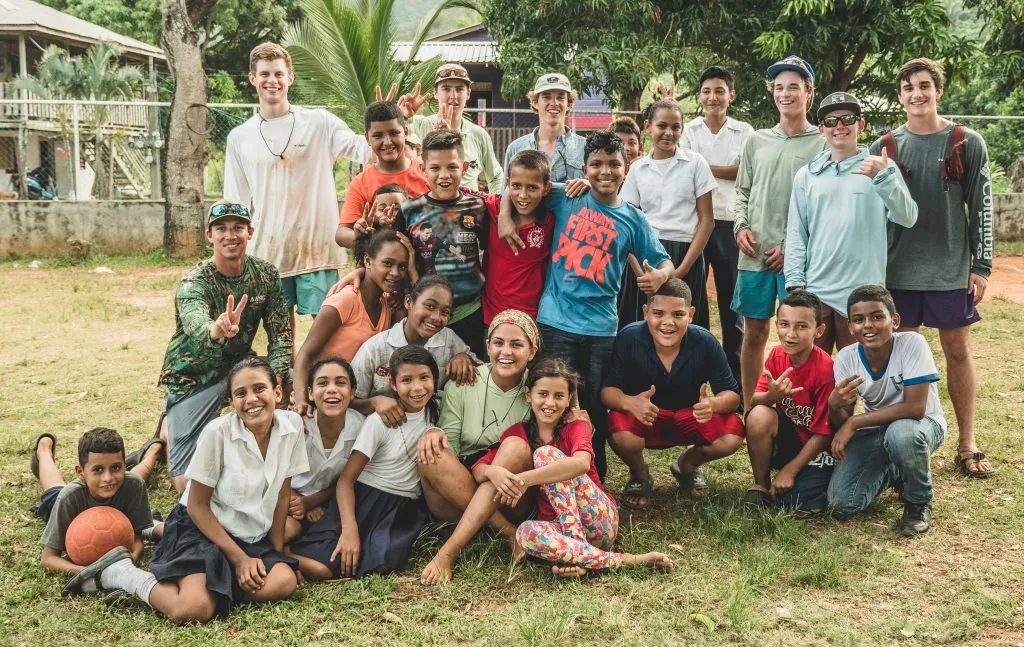
At the canchita with the kids of Mangrove Bight until we've run out of energy for the day.
- Testimony night
An evening with the local church community, sharing stories.
- Closing celebration
The last night of the week, students, guides and the community celebrate together.
- Group circle
Next to the sunset or under the shooting stars, we dive into conversations led with vulnerability about our experience and personal growth.
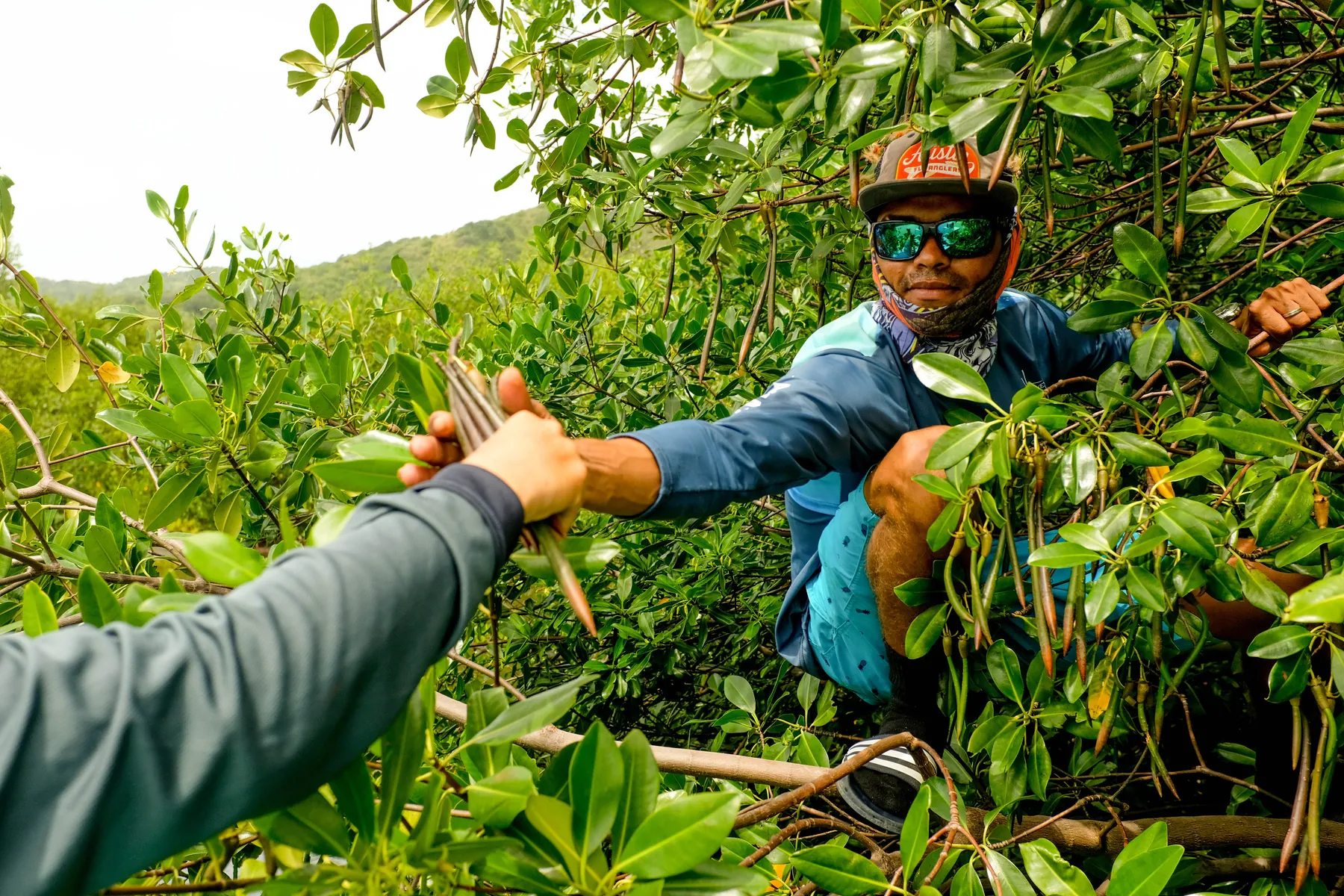
"Jumping off the docks with fishing guides, cutting sugar cane with Killaway, and crab hunting with all the local kids."
Getting there and home
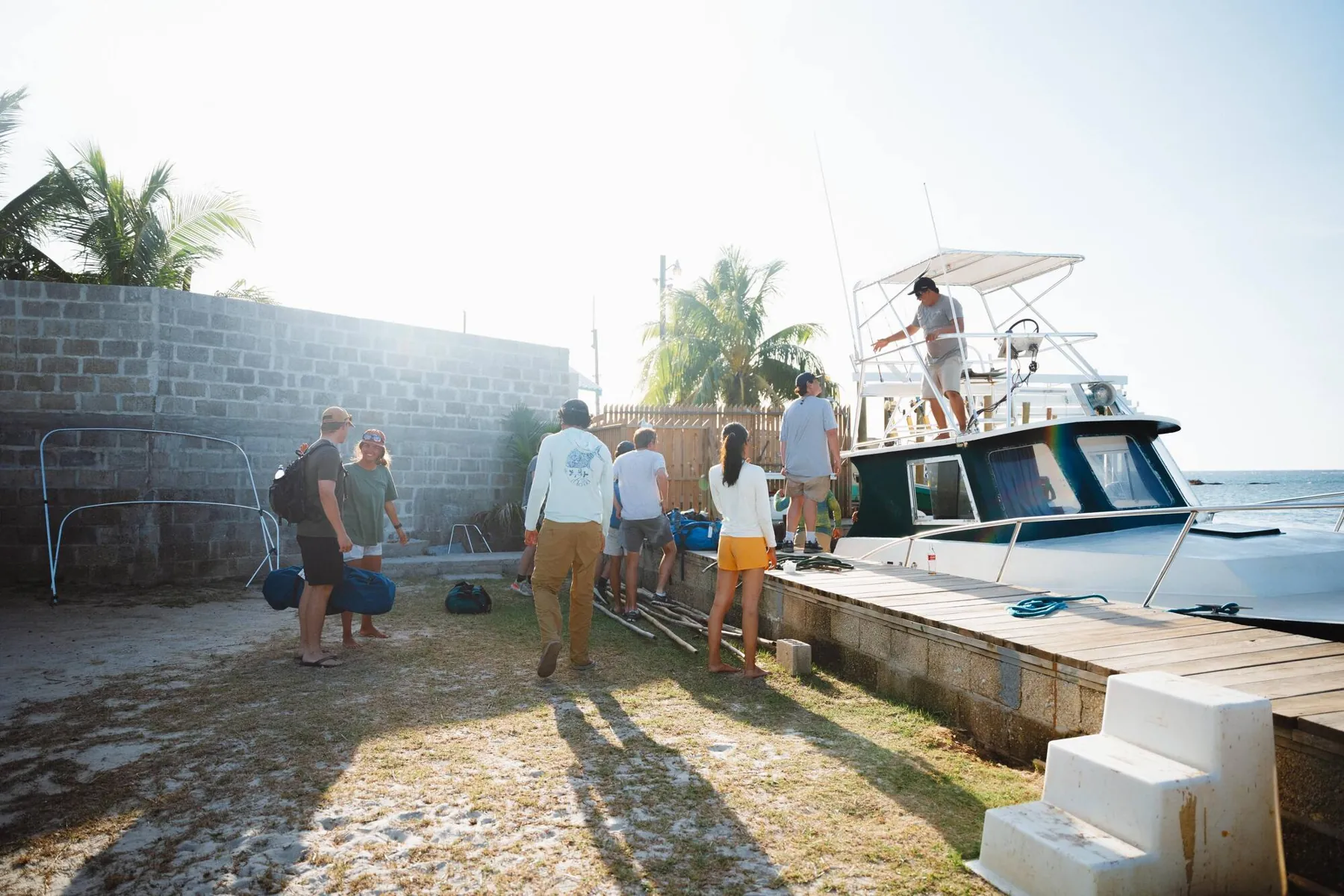
Students fly into Coxen Hole, Roatán (RTB). Trip leaders meet them the moment they walk out of customs. If flying alone is a worry, we can arrange a trip leader or another student to fly with yours from the States.
Saturday arrival
- Land in Roatán before 2:00 pm.
- Trip leaders greet you at customs. A shuttle takes the group to the ferry dock.
- Ferry, about two hours, to Guanaja.
- Parents are messaged when everyone is at the lodge, usually between 4 and 6 pm.
Saturday departure
- Ferry leaves the lodge at 7:00 am.
- At the airport by 10:00 am at the latest. Trip leaders help everyone check in.
- Students can reach home from the airport.
- Book a flight that leaves Roatán after 12:30 pm.
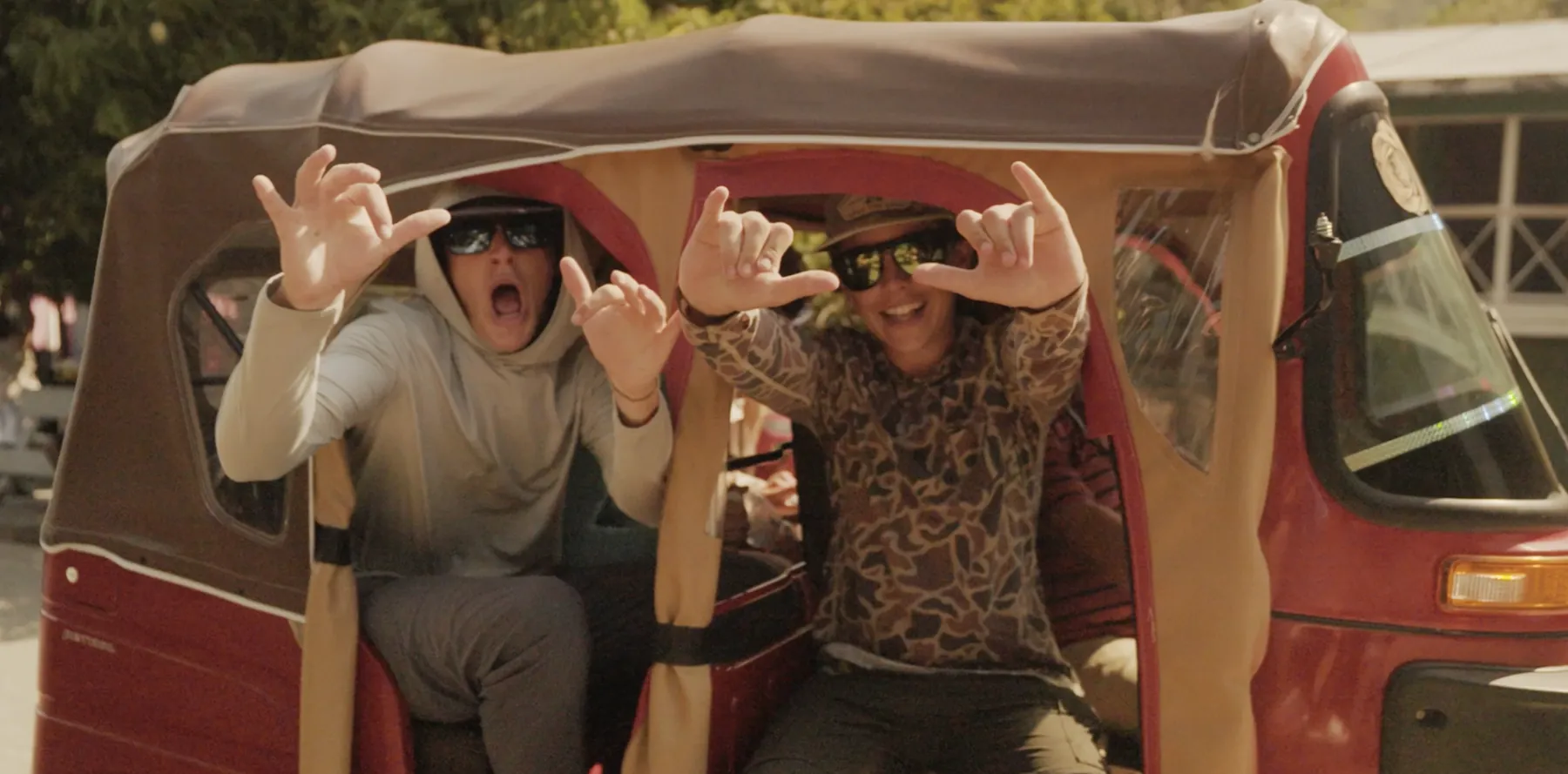
"Eddie returned to us positively glowing and the glow still hasn't worn off."
Packing list
Tick things off as you go. The list saves on this device, so you can come back to it. It's buggy on the island: being fully covered is the single most useful thing you can do. Fly rods can be carried on to Honduras but must be checked on the way home, so pack them in a suitcase that fits rods.
Personal and clothing
Laundry is available at the lodge.
Fishing
Short a rod or reel? Tell us before the trip and we'll sort it from the lodge's backups. Terminal tackle is the student's responsibility.
Flies
Want to support an alum? Ask us and we'll point you to a former student who ties flies for trips.
Pack for a purpose
Getting things to Guanaja isn't easy. Bring a few supplies from the community's request list and your bag does double duty. Ask for the list.
Scholarships
We never want these programs to be cost-prohibitive. Aid runs from $500 to a full ride and is decided on need and drive.
- SepFinancial aid applications open each September.A cover letter (500 words minimum), a one-minute video, a letter of recommendation, the questions on the application, and your family's financial information. Allow about two hours. Nothing is shared outside the team.
- FebDeadline is the last day of February.Shortlisted candidates do a video interview with Fish for Change.
- MarDecisions by early March.Book flights, check your passport, practice your cast.
Questions parents ask
How safe is this?
Every student has a Global Rescue membership for emergency rescue and medical evacuation, bought at registration. Trip leaders are First Aid and CPR certified, and several of our leaders hold Wilderness First Responder certification. There is an emergency action plan for the island and a direct line to the local clinic. More on how we keep students safe.
How much fishing experience does my kid need?
Any amount, including none. We recommend practicing the cast before arrival, and over the week the team covers everything from knots to flies to reading the flats, with one leader for every few students.
Can I reach them during the week?
There's no wifi at any location, on purpose: disconnect to reconnect. Trip leaders collect phones at their discretion, and they're only for music and photos. You get a message when they arrive, a direct line to staff for updates, and photos on Instagram from that day.
What if my kid has never flown alone?
Most of them haven't. Trip leaders are waiting at the destination airport the moment students clear customs, and they help everyone check in for the flight home. If you'd like a travel companion, we can arrange for a trip leader or another student to fly with yours from the States.
Where do they sleep and eat?
At the lodge, two or three students to an air-conditioned cabina, and everyone eats together. The lodge moms cook every meal and do the laundry.
What if we don't have the right gear?
No problem. Every lodge has backup rods and reels. Terminal tackle is the student's responsibility. If you're short a rod or reel, tell us before the trip and we'll make sure it's there.
Is there a cheaper way to do this?
Aid runs from $500 to a full ride, and students fund their trips in all sorts of ways. Financial aid applications open in September and close the last day of February. Here is the process.
Do they get credit for the service work?
Ten volunteer hours per program. Bring the school's form or email it afterwards and we'll sign it.
What is the drug and alcohol policy?
Zero tolerance. Students sign a form before the program and are sent home at their own cost if they break it.
Can fly rods go in carry-on?
To Honduras, yes, but they must be checked on the way home, so pack them in a suitcase that fits rods.
A day in Guanaja
Most days run like this. Scroll through one.
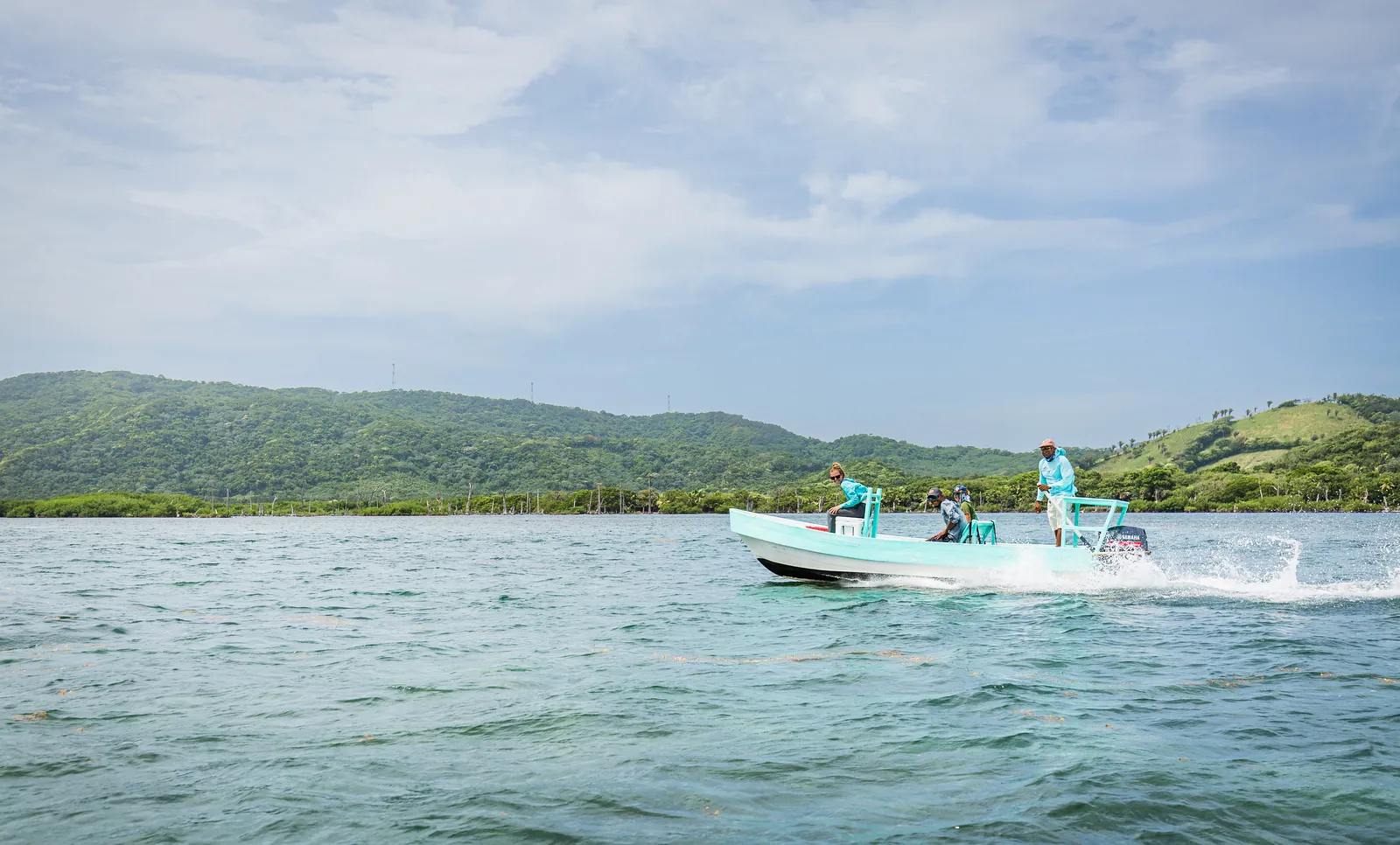
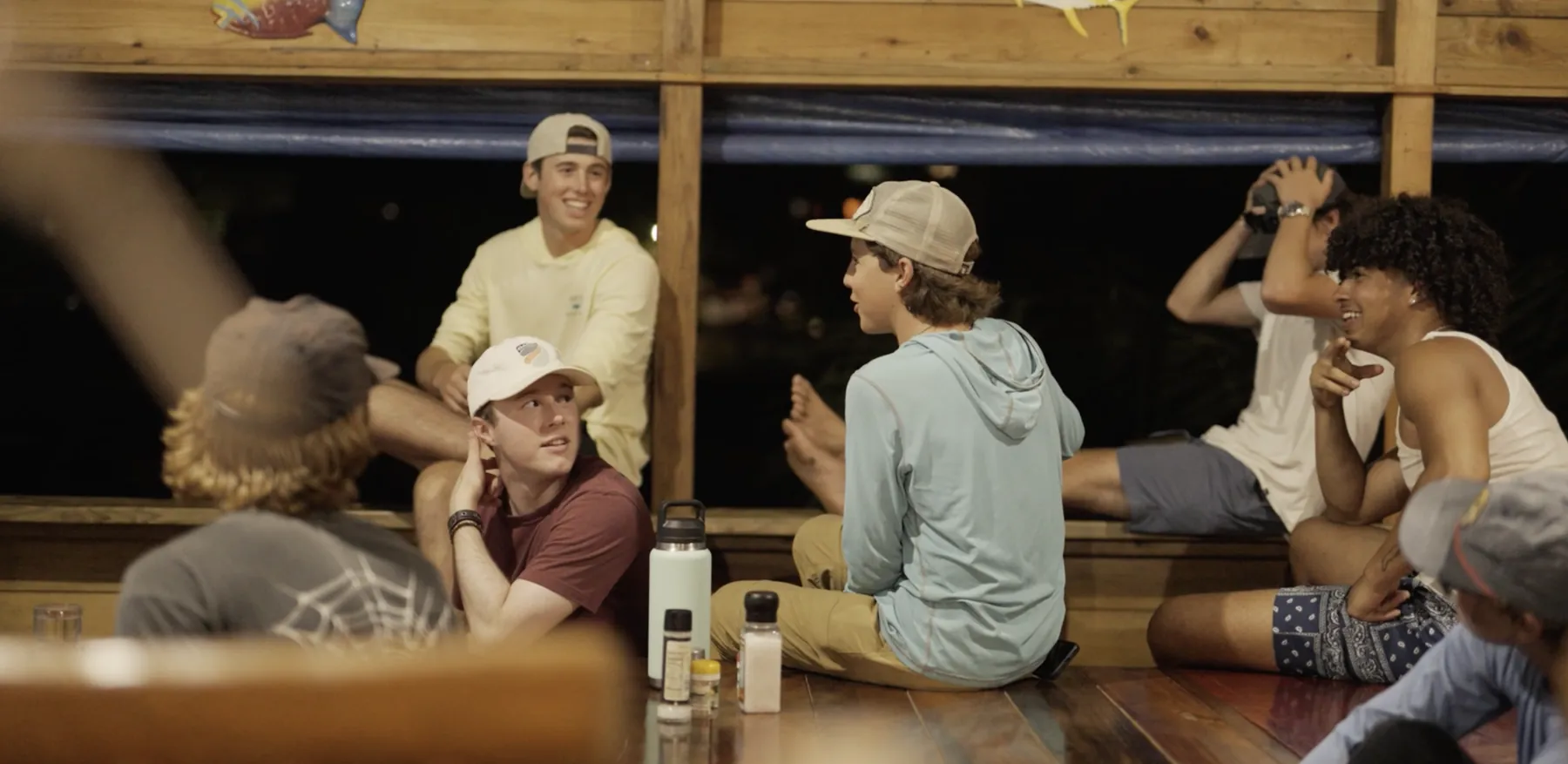
Up at 6:30. Music, then the megaphone.
Breakfast together, every day. We discuss our game plan for the day over pancakes and bacon. Then off to go have the best day ever, yet again!
Six hours on the water.
A different boat, guide and partner every morning. That is how you learn to read a flat, and how a kid from Ireland ends up with a best friend in Idaho.
Mangroves one day. Town the next.
Planting with the Bay Islands Conservation Association. You don't care about protecting a place you haven't experienced, so they experience it with their hands in the mud. Or a scavenger hunt: a hundred questions about the island, answered by asking the people who live on it.
Dinner at a guide's table.
Three or four students at a time, in the guide's home, with his family. There are a lot of ways to do life. The fastest way to learn that is to be handed a plate by someone who does it differently, and to help them clean up after.
Musical chairs with the local kids.
First night. The island kids come over, every camper sits across from one, two minutes on the timer, then everyone switches chairs. Where do you go to school, what does your dad do, what do you do when it rains. By bedtime the campers know whose dad drives the ferry.
Circle, free write, dock.
One thing you're grateful for, out loud, to people you met on Saturday. Five minutes of writing that runs to fifteen. Kids who won't speak on Monday are leading the circle by Friday. Then night fishing under the dock lights.
"There was an amazing feeling of inclusion and acceptance from our Fish for Change group as well as all the locals. I feel that I grew the most by understanding the extreme importance of gratitude and appreciation."
"My favorite memory was playing Survivor on the island. We were all up super late running around, watching the stars, and playing hide and seek. Then the rain hit. Everything was soaked and we all couldn’t fit in the tent. It was so much fun. We all woke up the next morning, put our wet clothes back on, and waded the flats for hours."
Show up on a Saturday. Leave the next Saturday a different person.
Girls Week, June 5th to 12th. High school boys, June 12th to 19th, June 19th to 26th, and July 3rd to 10th. $4,500, guide tips and ferry included.
Questions before you enroll
- Emailinfo@fishforchange.org
- Phone954-579-3457
- The lodgeflyfishguanaja.com
- Instagram@fishforchange